

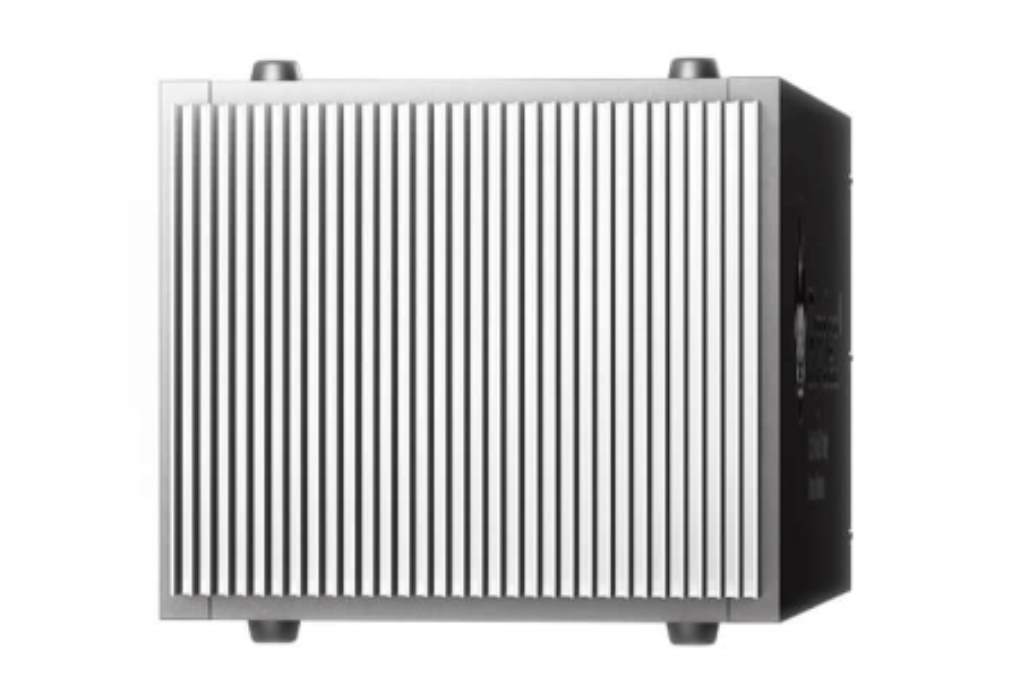
Most batteries have two electrodes made from different materials. However, dual carbon batteries are determined to be different because they exchange lithium ions between similar materials. This makes a great deal of sense because carbon is a great source of energy. That being said, dual carbon batteries have not seen the light of commercial day since patenting in 1989.
Renewed Promise for Dual Carbon Batteries in 2014
In 2014, Power Japan Plus announced plans to commercialize dual carbon batteries. The media made the reasonable assumption these were for electric cars, since co-founder Kaname Takeya had previously worked on Tesla Model S and Toyota Prius Cars.
The company claimed the batteries would have more density than lithium. Moreover, they would charge 20 times faster, and have 3,000 cycle lives. Their patent envisaged lithium salts dissolved in an aprotic solution as electrolyte. This solution would therefore either have a hydrogen atom bound to oxygen, or a nitrogen one. This design held promise of fully discharging without a short circuit or other damage.
Power Japan Plus Announces Dual Carbon Battery
General Principles of Dual Carbon Battery Operation
Material for both carbon electrodes comes from decomposing cotton at a high temperature. Lithium anions dispersed in the aprotic electrolyte enter or coat the anode during charging. Cations from the electrolyte simultaneously intercalate in the cathode, thereby preparing the battery for operational discharge.
As dual carbon batteries discharge their energy, these anions and cations return to their source through customary internal and external pathways per battery custom. In this way, the electrolyte is both charge carrier, and active material. Storage and ion-release rate determine battery capacity together with the quantity of anions and cations.
Dual carbon batteries do not heat up during operation, dispensing the need for cooling systems. In theory, they should now be challenging their lithium-ion counterparts in electric cars. That they are not, suggests one of two things. Either Power Japan Plus has abandoned the project, or Kaname Takeya is still quietly working his magic.
Related
Battery Intercalation & How It Works
How Electrons Travel In and Out of Electrodes
Preview Image: The Enigma. Is This the Dual Carbon Battery of the Future?
Video Share Link: https://youtu.be/4c-Mijg93r8

1 Comment
But when will this be available?! I’ve been hearing about it since 2014!