Electric vehicle power to load technology is a bi-directional system, allowing the main battery to charge or power other equipment. This facility allows the owner, for example, to watch television or charge their phone when the grid is down. Not all EV’s have this facility though, which proved its worth after Cyclone Alfred struck Australia.
How Power to Load Works in Electric Vehicles
Only a ‘handful’ of electric cars have this facility currently, according to AG Electrical, although the idea is catching on. Those vehicles that do have it, vary in the maximum kilowatts, and kilowatt-hours they can put out. Their electric vehicle power to load adapter may come as standard, or be an optional extra.
The technology, where it is available, incorporates an onboard voltage regulator / inverter. This device adapts the vehicle’s DC battery power to the AC required, for hand-held devices and household appliances. This adapter plugs into the electric vehicle charge port, and has a plug-in socket at the other end.
All electric cars have potential to deliver this add-on service. However, their batteries alone cannot do this, because they also need the software to achieve it. Before you are tempted to go it alone, this is definitely not something a vehicle owner should attempt. Those batteries pack a bunch of power!
This Power Has Loads of Useful Potential
Having electric vehicle power to load on tap, could mean the end of noisy diesel generators, and costly solar panels. Electric vehicles’ powerful batteries should handle any domestic appliance with ease. For that matter, they could charge another vehicle too.
The system is a no-brainer for lovers of the great outdoors, and camping trips. Lights, portable heaters, coffee machines and cooking apparatus are all small fry, and you could probably charge a camping site-full of smartphones too.
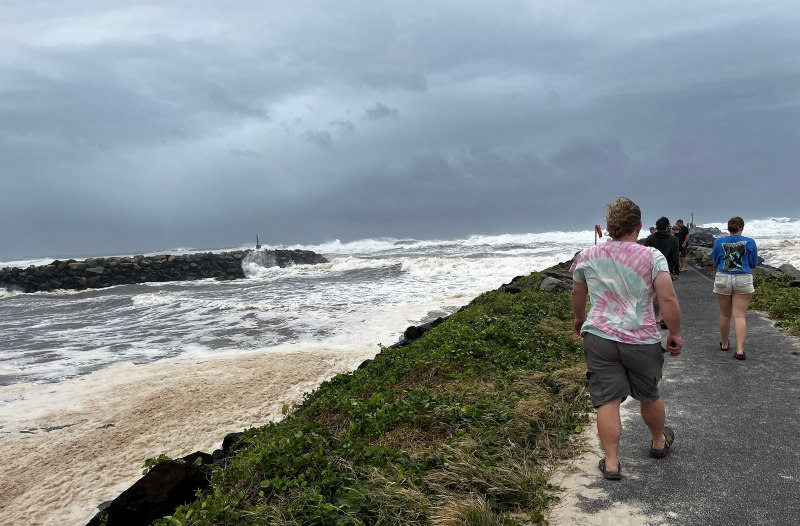
This handy innovation reached new heights in the aftermath of Cyclone Alfred, that struck Eastern Australia in early March, 2025. The fortunate few with electric cars, and load technology were able to power their homes throughout the storm, according to The Driven website.
More Information
Batteries in Hurricane-Resistant Homes