Lithium-ion batteries use lithium metal in their anodes to release electricity from their cells. This active material is highly conductive, resulting in superior performance. There is sufficient raw lithium metal for the foreseeable future, until a more efficient anode material surfaces. However, we should not use lithium products irresponsibly, because of the high environmental impact of lithium mining.
Impact of Lithium Mining on Our Environment
There are three ways of extracting lithium metal from earth’s crust. These are lithium-brine evaporation (39%), lithium hard rock mining (59%), and lithium-rich clay processing (2% of global production).
Each of these methods irreparably damages earth’s outer crust. Read on if this concerns you, as we describe the environmental impact of lithium extraction today.
Impact of Continental Lithium-Brine Evaporation
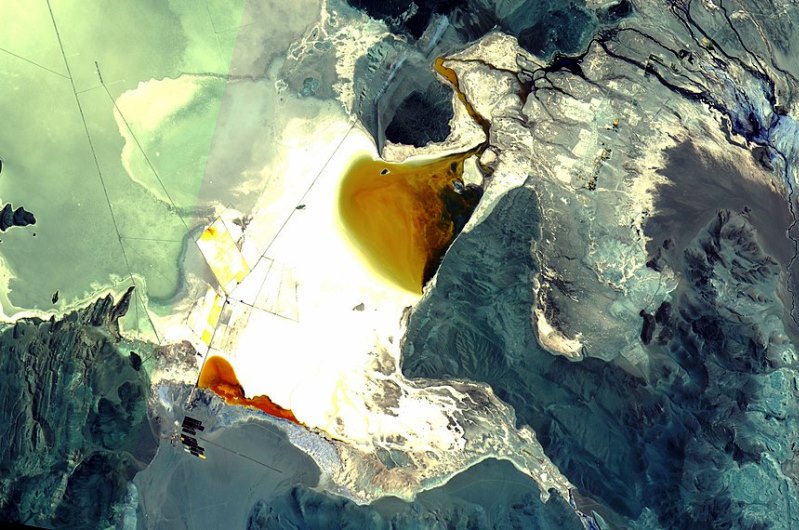
Continental lithium-brine deposits are salty groundwater accumulations containing lithium metal. Mining companies extract the metal by allowing the liquid to evaporate in shallow, open dams. This process uses little electricity, and mainly relies on the sun to do its work.
However, and here’s the catch, evaporating the liquid releases harmful gases, including sulfur dioxide into the atmosphere. The water that remains is unsuitable for human consumption or agriculture. If a mining storage dam bursts or leaks and the water enters a river, then it can poison fish and animals.
Environmental Consequences of Lithium Hard Rock Mining

The environmental impact of lithium mining hard-rock deposits, is dramatic in terms of huge open-pit mines. These operations consume large amounts of electricity and gasoline fuel. The destruction of the environment is permanent, and more destructive than lithium-brine extraction.
Mining and Extracting Lithium Metal from Clay
Several types of underground clay contain deposits of lithium. Mines use chemical reactions like acidification to separate them out, which can damage the soil and destroy life. There are also harmful by-products in the form of gases that pollute the atmosphere. This damage can spread way beyond the mine itself.

We should remember this damage to our environment, every time we purchase a battery for our favorite device. And remember to send it for recycling when it no longer holds sufficient charge. Each time we recycle a battery, we reduce the need for mineral mining. And that’s becoming quite important these days!
More Information
Deep-Sea Battery Mineral Mining a Step Closer
Battery Safety And Recycling in Context