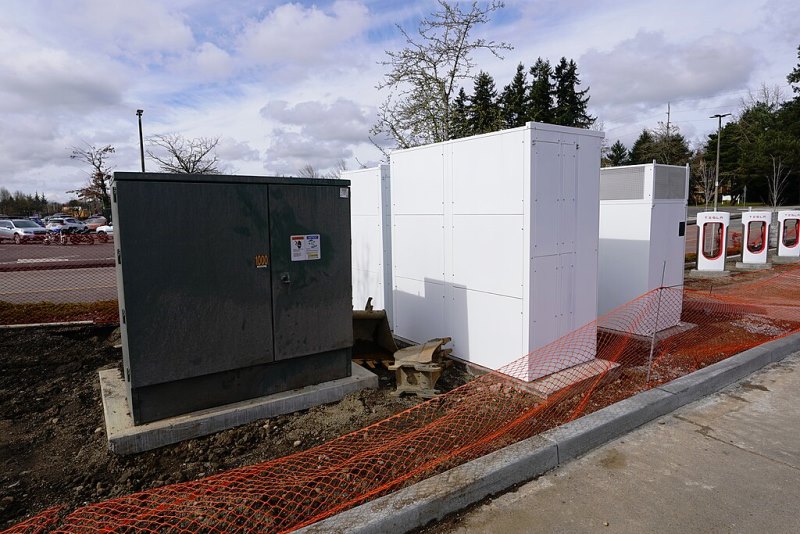
Fast electric car charging is fundamental to changing the way we manage energy on our planet. There will be justification for individuals opting out, until this process can compete with the speed of refueling gasoline. We agree with AZO Materials that we need more effort to resolve this impasse. For if we do not resolve it, then we could continue down the road to global warming.
How Battery Fundamentals Impede Fast Electric Car Charging
When we charge a battery, we force electrons into the anode creating a surplus of energy. We can tap into that power by connecting the battery to an external circuit, but that’s outside our topic for today.
We use the word ‘force’ to underline the fact that anode materials have natural resistance to this ‘invasion’. This is true for all forms of electric transport, making this a fundamental challenge.
This internal resistance limits the extent to which we can achieve fast electric car charging. Click on the research tab on this website to deep dive into ground-breaking research into this fascinating topic.
How Battery Internal Resistance Opposes Electron Flow
We define battery resistance in our industry as ‘the opposition to the flow of current within a battery’. The Energizer website continues by explaining there are two factors behind this phenomenon. These two drivers are electronic and ionic resistance:
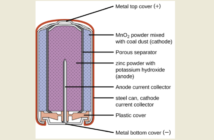
- Electronic resistance is due to the physical characteristics of the actual materials. These include the external and internal components, and how well they are in contact.
- Ionic resistance is the opposition to current flow within the battery. This is due to electrochemical factors such as electrolyte conductivity, ion mobility and electrode surface area.
We can deduce the internal resistance of a battery by measuring the voltage drop when we connect it to a measured load. This is, however, only an approximate guideline, and not a precise value we can use for research.
More Information
Volts, Currents, and Resistance in Batteries