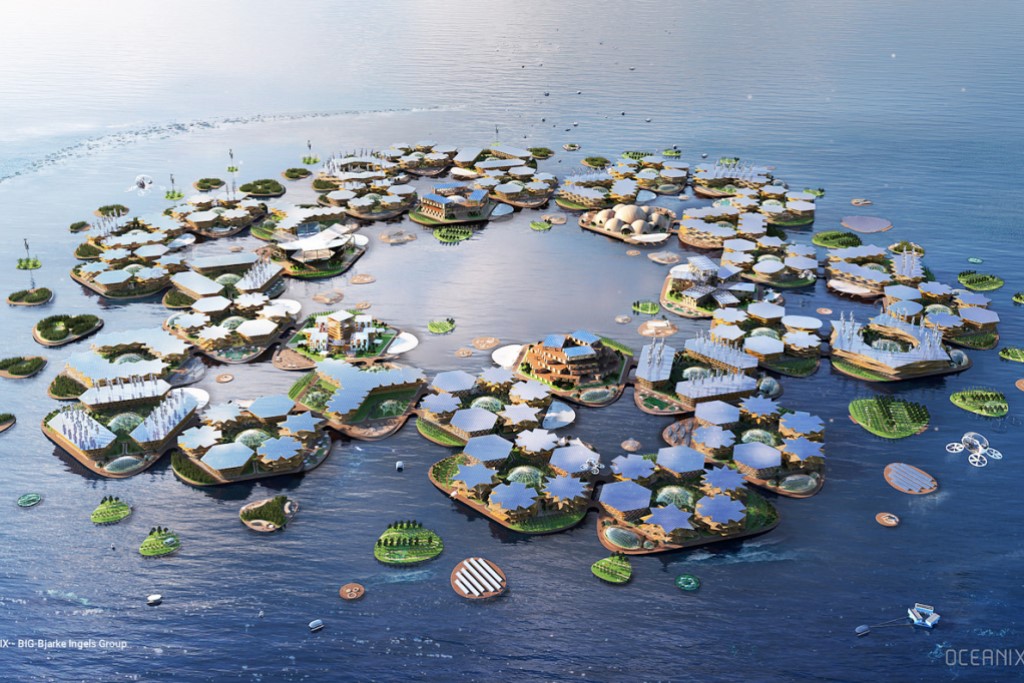
Our species’ insatiable appetite ‘to go forth and multiply’ could wipe us off the face of the universe if we don’t find a way to restore the balance. Furthermore, our burgeoning population is compounding the devastating impact of our greenhouse gas emissions. We are increasing at a rate of very close to 100,000 people a day globally. Now the United Nations is in partnership to build floating cities to accommodate them.
How Climate Change and Floating Cities Connect
China’s ‘one child family policy’ demonstrated it is possible to contain population growth. However, this required firm central control and tax incentives.
These measures are often lacking in the world’s most populous countries in Central and North Africa. Unfortunately, the effects of global warming are an ever present threat there.
Perhaps a billion impoverished refugees-in-their-own-countries are flocking to cities in hope of work and a decent meal. Civil wars erupt in the battle for scarce resources.
When provider lives are destroyed families look north towards the wealthy West and plead for our help. We therefore have two humanitarian choices. Welcome them with open arms, or create sustainable societies including perhaps floating cities where they live.
How Floating Cities Could Be Part of the Solution
Many of the world’s largest settlements cluster on the coast. UN-Habitat’s executive director, Maimunah Mohd Sharif explains “There are thousands of such houses in the Netherlands. And moreover other communities around the world: It is now a question of scale and creating integrated systems and communities.”
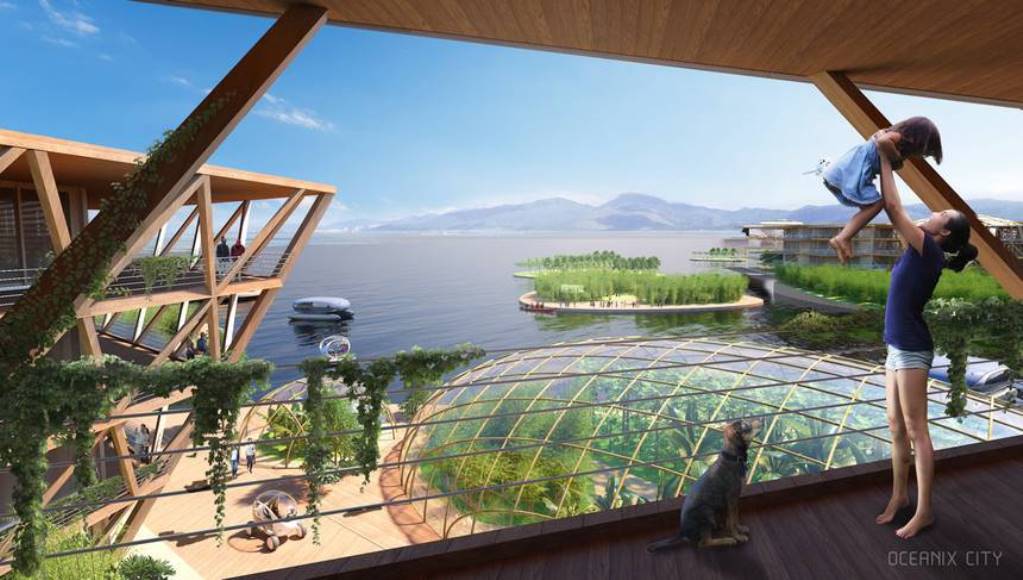
His vision for an ‘Oceanix City’ houses 10,000 people on groups of hexagonal platforms anchored to the seabed.
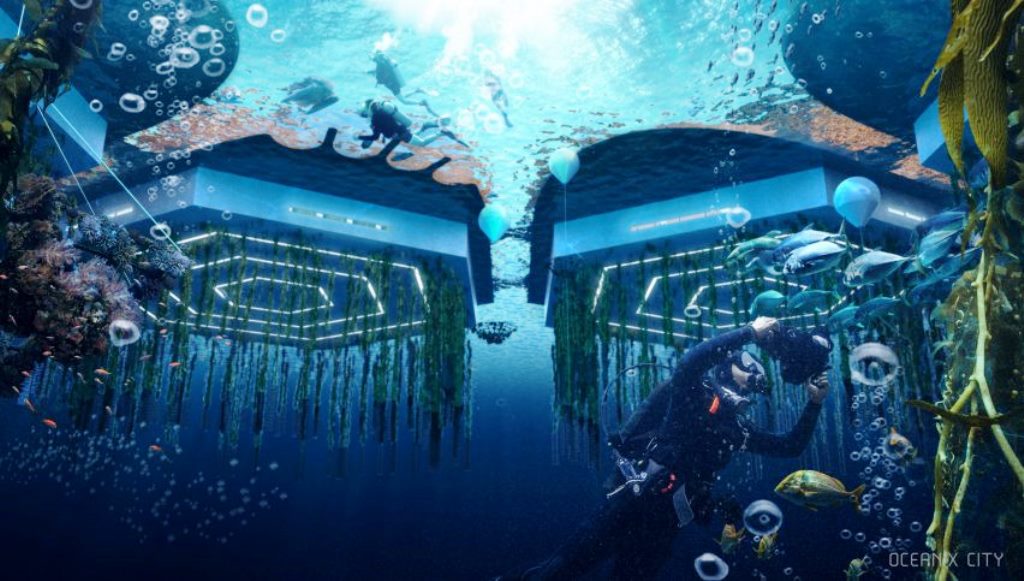
They would harvest scallops, kelp, and other forms of seafood from farms tethered below them.
“Our floating cities will be located where there is sufficient water depth to not be impacted by tsunamis,” Maimunah Mohd Sharif explains. They will also be able to withstand floods and hurricanes.
Do you think this could a viable solution? Or are we fooling ourselves by thinking there will always be a way around global warming? And therefore we need do nothing?
Related
Climate Change Part 34: World Population 7 Billion in 2011
African Savannas Are Degrading At Alarming Rates
Preview Image: A Floating Oceanix City