You don’t suppose someday we might purchase electric vehicles without batteries, and then shop around for the power storage unit we want? This might be a great solution for those who prefer lower purchase price, over blistering speed. Canada Auto News let slip Ford is about to offer two mix and match batteries. Although, these predetermined options will be mandatory for certain models.
Some Flexibility in Mix and Match Batteries
All Ford electric vehicle batteries are currently nickel-cobalt-manganese chemistry. But Ford appears to have had a change of heart for purchasers of its Mach-E Mustang. They will receive a less-expensive lithium-iron-phosphate battery in future instead. This offering should be in the F-150 Ford Lightening as well, by 2024.
Perhaps the last laugh will be on the lithium-iron-phosphate battery owners though. That’s because Canada Auto News believes the competing nickel ones will charge faster, and be denser with longer driving range. However, the jury is out whether end-users will ever know the difference, because:
- Those who opt for the ‘standard-range battery’ will drive on lithium-iron-phosphate batteries period.
- While those who choose the ‘extended range’ will continue to have nickel-cobalt-manganese regardless.
So the dream of mix and match batteries still eludes us, although it is good to see some flexibility arriving in the market, finally.
Ford Not First to Offer Lithium-Iron Phosphate
Tesla, Stellantis, and General Motors have also been including lithium-iron-phosphate chemistry in some of their ranges. This option has several pros and cons of which consumers should be aware:
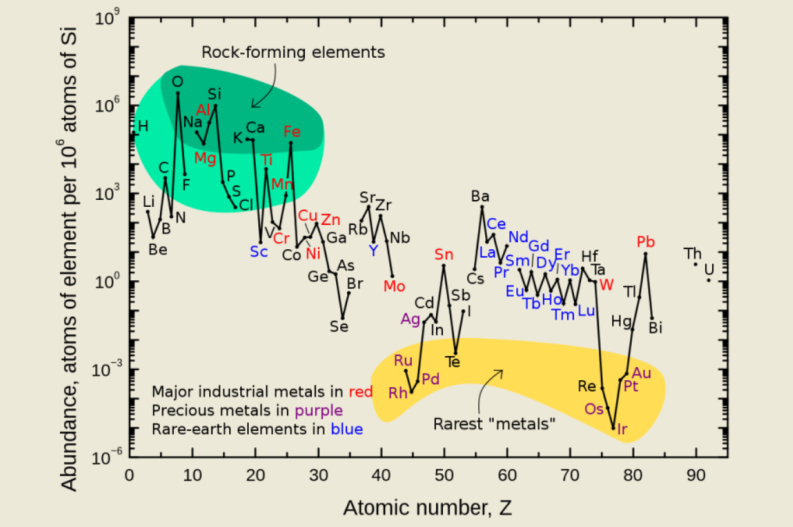
- The lithium-iron-phosphate option is some 40% cheaper than nickel-cobalt-manganese, because iron and phosphorous are more abundant.
- However, the lithium-iron-phosphate product has a shorter driving range, although it does charge faster and it may have a longer calendar life too.
At the end of the day though, what the customer wants is what the customer should get. Not everybody needs to pay the price for a super-fast 400-mile drive. In fact, many of us could be happier with a cheaper, charge-it-faster-more-frequently run-about. And why should we not have it, if that’s what’s in our hearts?
More Information
Managing Battery Capacity with a BMS System