Have you just acquired your first hearing aid? If so, you will be adjusting to it before you return for the final settings. Something else you need to know is smaller hearing aid batteries don’t last as long as larger ones. There’s often a catch when chasing the latest technology.
Extending the Life of Single-Use Hearing Aid Batteries
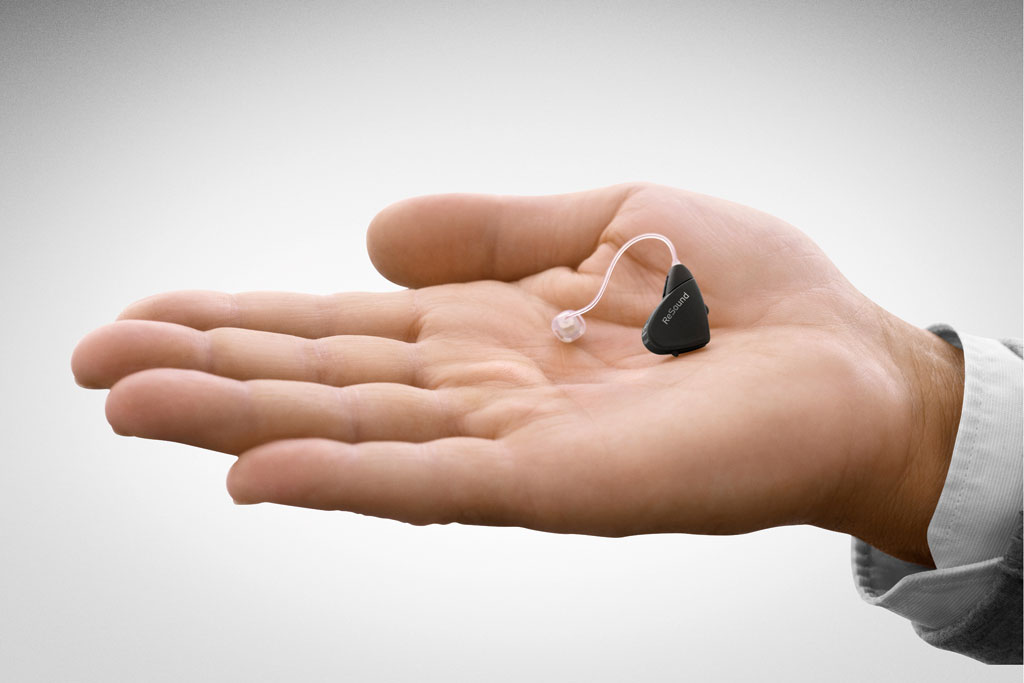
We’re investigating rechargeable hearing aid batteries and will get back as soon as we have all the facts. In the meantime, we recommend carrying a spare pack of single-use ones in your purse. That way, when the one in your device starts beeping, you can flip the compartment open and replace it.
The life of a single-use battery depends on the device, the battery size, how long you use it daily, your prevailing climate, and the best use practices we pass on in this post. Because all batteries gradually self-discharge, always use the oldest pack first. It’s also good idea to check the best-before dates before purchasing, and to write the purchase date on the pack.
More Life-Saving Tips for Your Hearing Aid’s Batteries
Remember to store your unused batteries in a dry place at room temperature because they don’t like extreme heat or cold. Leave the safety tabs intact on the zinc-air batteries, to avoid activating them before you need them.
When you do, allow the battery to rest for five minutes before slotting it into the battery compartment to allow oxygen to enter the system. Researchers say this simple step could extend the useful life of zinc-air hearing aid batteries for several days. Also, do leave the battery compartment open when not using it to allow moisture to escape.
And finally, please use the hearing aid humidifier once a week to remove accumulated moisture. This is especially important if you live in a humid climate, and should help both the device and the battery last longer.
Battery Basics
Related
Hearing Aid Batteries: What’s Best for You
Zinc Batteries Could Shift the Paradigm
Preview Image: Madame de Meuron with Ear Trumpet