Centers for Disease Control updated their advice concerning when to quarantine on March 12, 2021. This included the comment ‘people who have tested positive for COVID-19 within the past three months do not need a retest as long as they do not develop new symptoms.’ We wanted to know how that relates to how long we are immune after having COVID.
Why the Length of Immunity is Currently Unknown
We stumbled over a post on Health Line we found helpful. In headline terms:
1… People recovering from a COVID-19 infection may be naturally immune for six months, or even longer.
2… We don’t know how long immunity will last after vaccination, because insufficient time has elapsed for us to know.
Therefore Health Line concludes we should continue practicing physical / social distancing and wearing a mask. This advice applies equally to whether we had the disease, had the vaccine, or neither.
Factors Affecting How Long We Are Immune After COVID
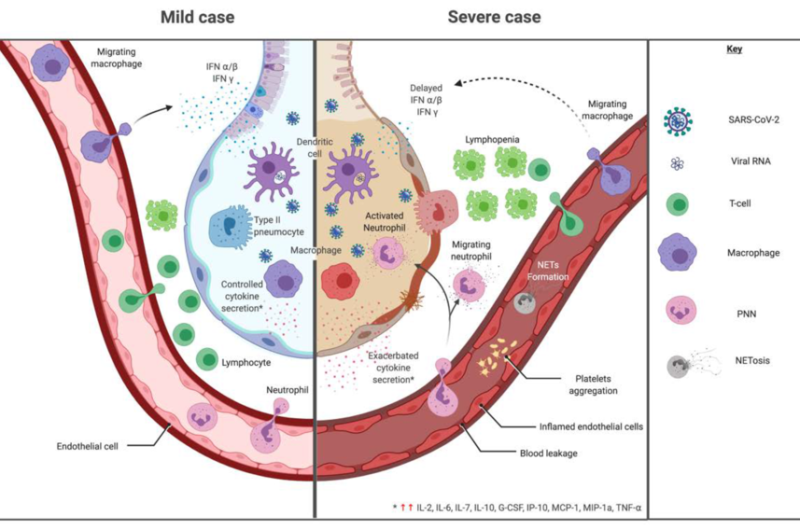
Natural immunity after a COVID infection – as opposed to a vaccination inducing it – has three components:
1… Antibodies in our blood that spot the COVID virus and neutralize it
2… Helper and killer T-cells that help recognize and kill COVID viruses
3… B-cells that make new COVID antibodies to maintain our immunity levels
People recovering from the coronavirus generally have these components. However, we don’t know how long they endure after having COVID.
Vaccination ideally endows us with those factors too, but only with respect to the particular virus it targets. Only time will tell how long that immunity will last outside a laboratory.
Catching the disease or having the vaccine therefore only provides some protection for a while. This should help slow the development of mutants. However, we should keep taking precautions. That’s because we have little way of knowing when we could become vulnerable again.
Related
The Astra-Zeneca Blood Clots, Let’s Talk
The Tricky Matter of Naming a Coronavirus
Preview Image: Mild v Severe Immune Response