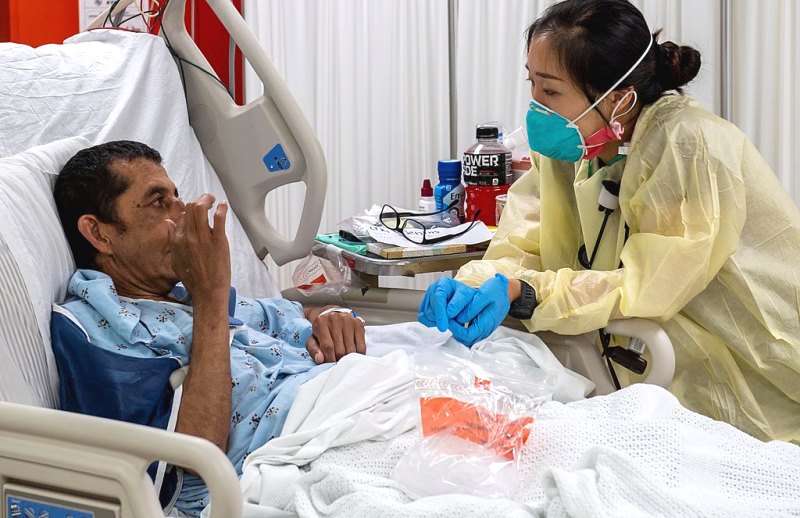
COVID-19 is becoming something of a joker in the pack. Just when we think we are getting it licked, it comes up with another variant. And to confound matters further it announces itself with a variety of symptoms, or none at all. Today we consider the question how to detect and treat a COVID-19 infection, because it could become serious, even fatal if we do not.
How to Know When COVID-19 Strikes from Its Symptoms
COVID-19 enters our bodies on the breath of another, infected person. Strictly speaking, it should infect our lungs and cause a chest complaint. However, it can potentially affect any organ – including our brain – after it enters our blood stream.
But the joker in the pack has a vicious streak. It can single out a pre-existing condition and make it worse. Here is the generally accepted list of new, common symptoms that may or may not indicate you have COVID-19. Please note nobody has them all.
High temperature or chills
Headache
Sore Throat
Congestion or Runny Nose
Loss of Taste or Smell
A Persistent Cough
Shortness of Breath
Difficulty Breathing
Muscle and Body Aches
Nausea or Vomiting
Diarrhea
Listlessness or Fatigue
This is not a pretty picture is it? If we don’t get treatment we could end up going to hospital. We could even die a lonely death there in isolation.
Therefore We Ought to Detect and Treat a COVID-19 Infection Soon
If you have a fever – that’s a measured temperature of 100.4° F (38° C) or greater – or feel warm to another person’s touch – you need medical advice. John Hopkins Medicine recommends calling your doctor or health provider. You should isolate yourself in your bedroom while you wait. You don’t want to infect someone else who could die.
We have come a long way since the pandemic began in Wuhan China in December 2019. Our scientists have found ways to detect a COVID-19 infection, and treat it. However, people are still dying in hospital. One third of seriously ill people take months, even years to recover their energy, and become productive again.
Breaking News
What a Coronavirus Is and Why It Matters
Why Do the Haredim Have More Infections?
Preview Image: COVID-19 in Intensive Care