The impact of Toyota’s solid-state battery project becomes clearer, as further details emerge in media. The motor manufacturer previously promoted hydrogen gas, and was less enthusiastic about electric vehicles according to The Energy Mix. Now there’s talk of Toyota doubling electric vehicle driving range to 750 miles. But when will the benefits filter through to people on the street?
Electro-Chemistry Inside Solid-State Batteries
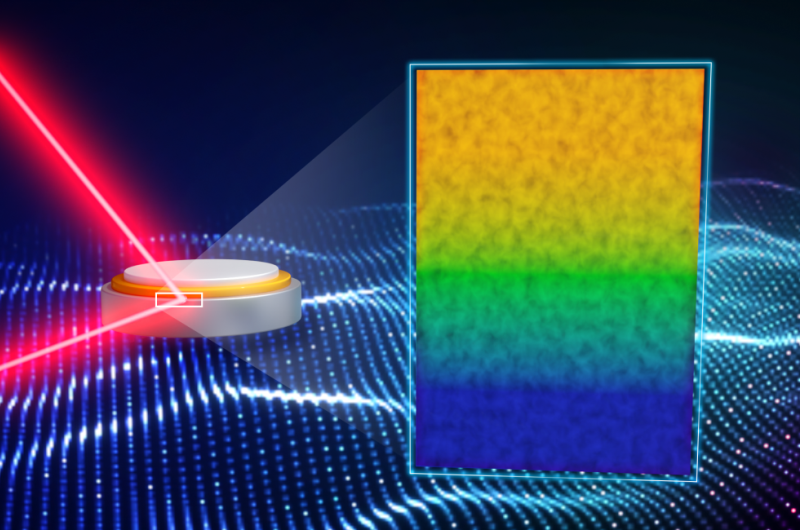
Researchers at Department of Energy’s Oak Ridge National Laboratory claimed the world’s first peek inside solid state batteries. They applied a process called Neutron Reflectometry to monitor their chemistry, and discovered the secrets of their superior performance.
What the Oakridge scientists saw was an extremely thin layer, through which ‘charged lithium atoms quickly flowed as they moved from anode to cathode and blended into a solid electrolyte’. This process eliminated the flammability issue, while maximizing battery density simultaneously.
Will the Impact of Toyota’s Solid-State Be a Game Changer?
A breakthrough in solid-state battery mass-production should significantly extend driving range, and radically reduce battery recharging time. This could remove two major hurdles to electric vehicle adoption, provided the technology is universally available.
But at this stage in the game the new technology is still evolving for commercial purposes. In fact, Toyota only envisages mass-producing solid-state batteries in 2028, five years away.
Moving across from liquid-electrolyte batteries to solid-state ones reduces fire risk. It also results in faster charging, proportional to how thin the separator is. This reduces battery weight, and improves the power-to-weight ratio, leading to longer driving range. It also reduces manufacturing time significantly.
But there is a catch that could reduce the immediate impact of Toyota’s solid-state breakthrough for a while. The Energy Mix believes, “The automaker aims to have solid-state battery vehicles in production by 2027, but plans to produce only a few thousand in the initial years, with production increasing into the next decade.”
More Information
Volkswagen Semi-Solid Flowable Battery
Toyota’s Solid State Batteries Could Break ICE