When settlers first arrived in Iowa they found soil so rich they called it Iowa black gold. Nowadays, we understand weather and local geology created this organic mulch however to them it was a miracle. While much of this land is in the hands of industrial scale agriculture there is a steady trickle back to organic farming.
Organic Farming Leads to Renewed Interest in Iowa Black Gold
The soil becomes far more important when we cannot simply keep pumping it full of manufactured chemicals. Scientists at Iowa State University report “soil structure and levels of organic matters have degraded while acidity has increased”.
The organic mulch comprising thousands of years of prairie grass growth, death and decomposition is steadily decreasing across the vast plains. The soil beneath the Iowa black gold is far less fertile and might not support the current food chain. The state is one of the largest producers of corn, soy and oats in the United States and has been for 160 years.
How Climate Change is a Factor in This Precarious Satiation
The mounting deterioration is concerning. Iowa lost 14 million tons of soil in a single storm in spring 2014. The average Iowa black gold topsoil depth was 14 to 18 inches at the beginning of the 20th century. It now averages a paltry 6 to 8 inches.
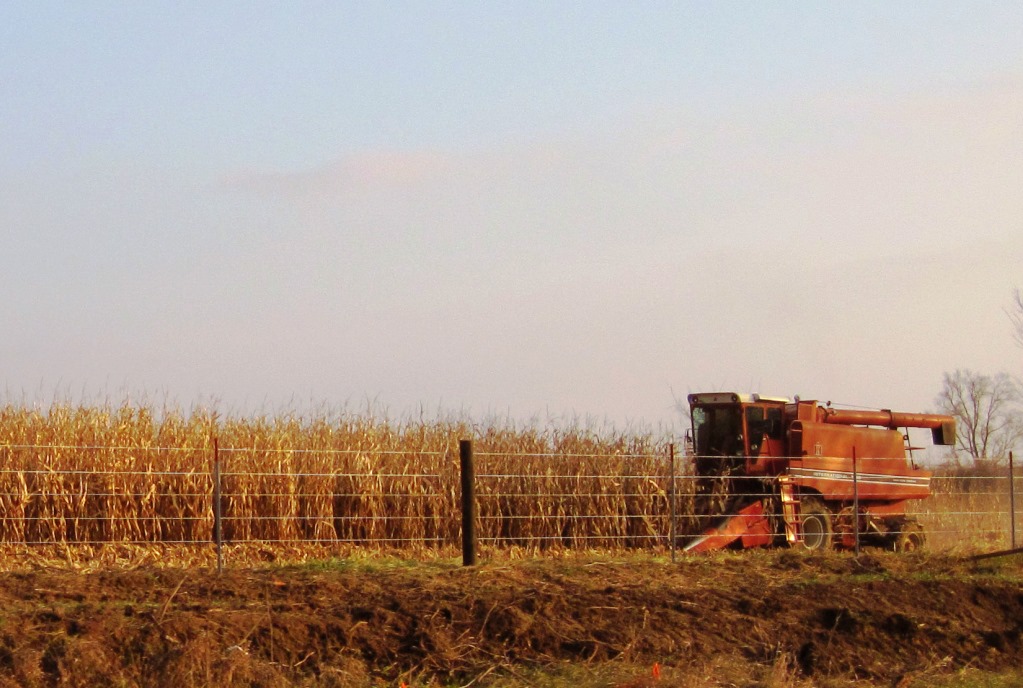
“Erosion from the wind is not as bad as it used to be in the dust bowl era. But in the past 20 years the rainfall pattern has changed,” a farmer told reporter Richard Gray. “We used to get one to two inches of rain every other week. But now we are getting bigger rain events where six inches fall, and that hits the soil on farms.”
Climate change, the spread of intensive agriculture, deforestation and industrial activity are accelerating soil losses in almost every country in the world, while the population just keeps on growing.
Related
Effects of Climate Change: Severe Drought
Those Vulnerable Children Inheriting the Earth
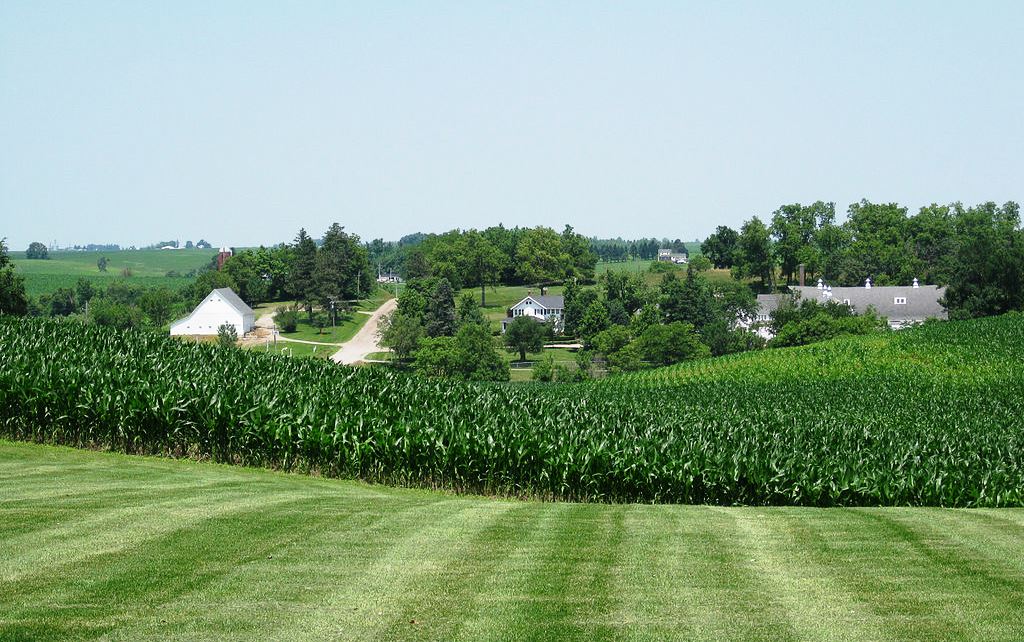
Preview Image: Iowa Cornfield and Dairy Farm