The cathode of a lithium-ion battery absorbs 50% of the total cost. This is the negatively-charged electrode, through which electricity flows to power a device. Lithium-ion batteries use expensive nickel and cobalt in their cathodes, because these have high reactivity. But scientists, including one at Oregon University have increased iron metal reactivity to a highly competitive level.
Why Is High Iron Metal Reactivity So Significant?
Two ‘half reactions’ occur in a battery cell as it discharges.The anode ‘oxidizes’ as it releases electrons, while the cathode ‘reduces’ as it accepts them. This process reverses when we charge a battery.
The efficiency of this process depends on the reactivity of the metals in these electrodes. Much battery research goes into improving cathode reactivity, while simultaneously driving battery prices down.
We’ve transformed iron metal reactivity, a team member says. Our electrode offers higher energy density than the state-of-the-art cathode materials in electric vehicles. There’s a huge saving in battery costs.
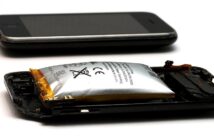
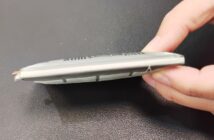
This discovery comes as great news, as nickel and cobalt reactivity top out despite the best efforts of scientists. There is already a controlled risk of lithium-ion batteries overheating, and moreover, toxic cobalt can contaminate our water resources.
This Could Break The Ceiling of Energy Density!
The Oregon University scientist, and colleagues from multiple universities and national laboratories used a blend of fluorine and negatively-charged phosphate ions (anions). This increased iron metal reactivity and achieved their goal.
“We’ve demonstrated that our materials design with anions can break the ceiling of energy density for batteries, that are more sustainable and cost less,” the scientists claims.
‘To put this new cathode in applications, one needs to change nothing else – no new anodes, no new production lines, no new design of the battery. We are just replacing one thing, the cathode.”
More Information
Anode and Cathode Making a Perfect Pair
Graphene Cathodes Enhance Conductivity