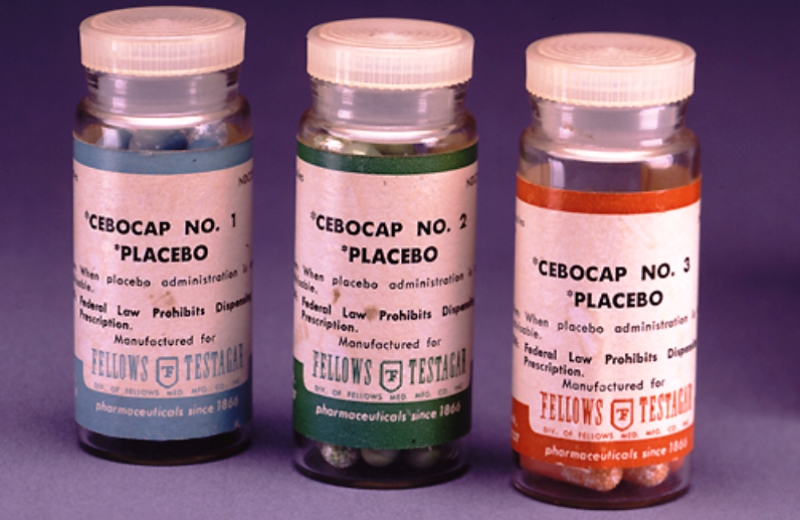
Our belief in a medication can affect the outcome of the treatment. Scientists counter this effect in their research, by using placebos. Thus, they give an active compound to some, and an inert dummy placebo to others without recipients being aware. Then they can say with more certainty what the effect of the compound was. German academic researchers applied this method when concluding Ivermectin is no better than a placebo for treating COVID.
The Bottom Line on the Ivermectin Drug
Ivermectin is a drug with broad approval for treating parasite infections in humans, and animals. There is a commonly-held opinion Ivermectin also helps prevent and treat COVID-19. This is despite agencies including U.S. Food and Drug Administration denying it is effective in that way.
The researchers hoped to end the debate by collating previous research on the topic. First, they examined 14 related studies involving 1,678 participants. But they could not find solid evidence Ivermectin is better than a placebo for treating the disease. Their summary findings in Cochrane Database of Systematic Reviews were as follows:
1… Ivermectin is not effective in preventing COVID-19 infections
2… It is also ineffective in treating and caring for infected patients
Why Ivermectin Is No Better Than a Placebo
The German researchers compared the efficacy and safety of Ivermectin with no treatment, standard of care, or placebo. They also investigated its ability to prevent, or treat COVID-19 infections among inpatients and outpatients.
After detailed examination they concluded Ivermectin ‘does not increase or decrease mortality at 28 days’ based on the evidence. However, they were at pains to point out their database was small and far from ideal. ‘The methods differed between studies,’ they concluded. ‘And they did not report everything we were interested in, such as quality of life.’
Recent
Fenofibrate Reduces COVID Infections in Lab
Children Seldom Have Long Lasting COVID
Preview Image: Placebos Are Inert Tablets