Despite all the hype about global warming, it seems conventional gasoline-engine vehicles will be with us for a while. Every one of these requires a battery to crank over a heavy engine and start it. Those vehicle starter batteries use lead-acid chemistry, because nothing else delivers such a powerful punch. We can keep them going longer when we care for them.
How To Stretch Vehicle Starter Battery Life
Starting conventional vehicles is as simple as turning an ignition key, provided the lead-acid battery is in good condition. This action drains energy from the battery, but as soon as the gasoline motor starts, it begins recharging it again.
The average lead starter battery lasts between three and five years. This broad range depends on the quality of the battery, because not all lead-acid batteries are as good. However, the care they receive plays a part too, and can extend battery life further.
What Makes Vehicle Starter Batteries Fail Sooner
- In principle, lead acid battery life depends on how much we use them. However, leaving one idle on a shelf also shortens its life, as its materials degrade. Ideally we want to use the battery regularly, and never allow it to go flat.
- If we use a lead starter battery for auto accessories, this also causes it to wear out sooner. Running the vehicle air conditioning, infotainment, and other accessories all make the battery work harder and shorten its life.
- Batteries are most comfortable at temperatures people enjoy. They have to work harder in winter and that strains them. However, excessive heat can also degrade their chemicals. Every time we park a vehicle we should remember this.
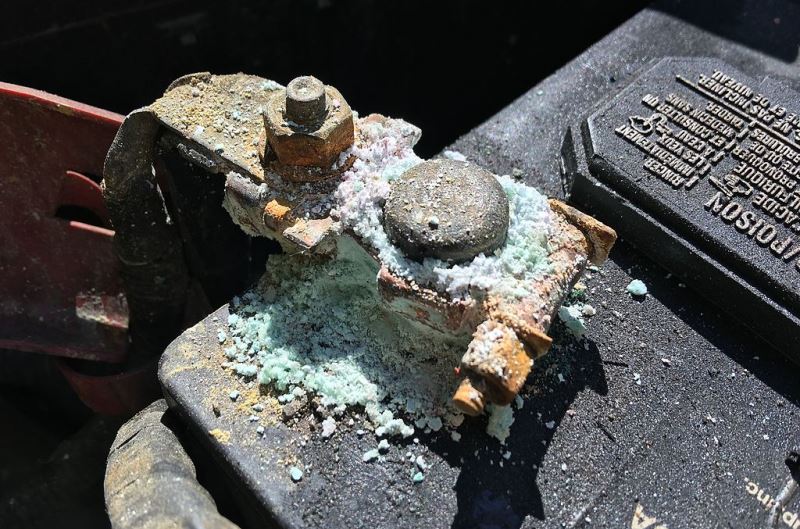
It can be wise to replace starter batteries before they fail on us completely. Warning signs include the starter turning slower, the headlights shining dimmer, and a whiff of hydrogen when we lift the hood.
More Information
Avoiding Flat Starter Batteries This New Year