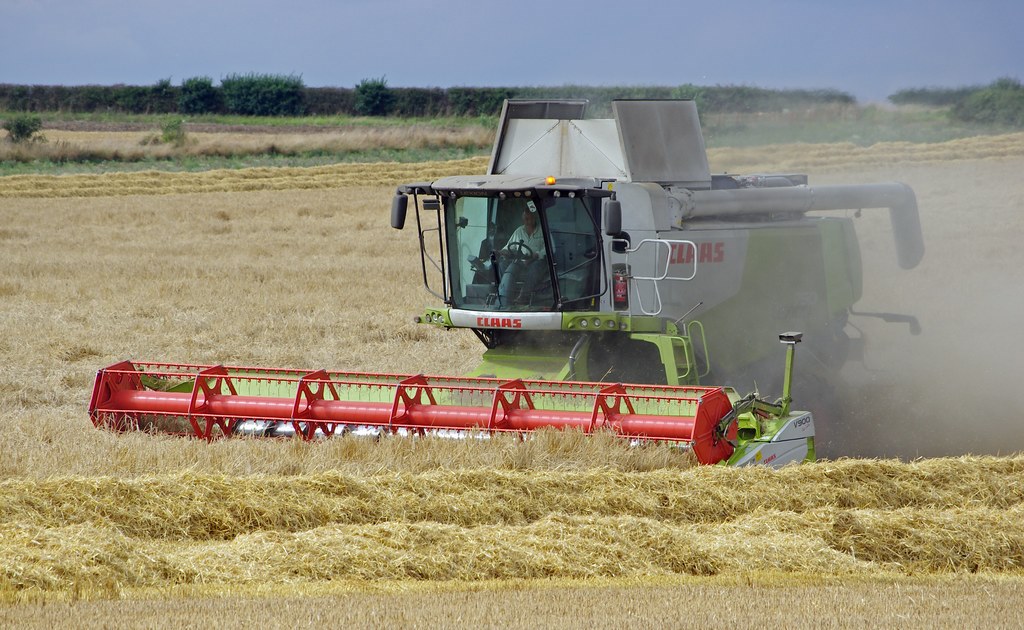
Large scale agriculture is destroying swathes of forest and savanna word wide. Intensive farming methods use chemical fertilizers instead of resting land or rotating crops. Moreover, there are high transport costs attached to shipping produce to central distribution points. Could bringing back kitchen gardening help combat climate change?
The Artisanal Pleasures of Kitchen Gardening
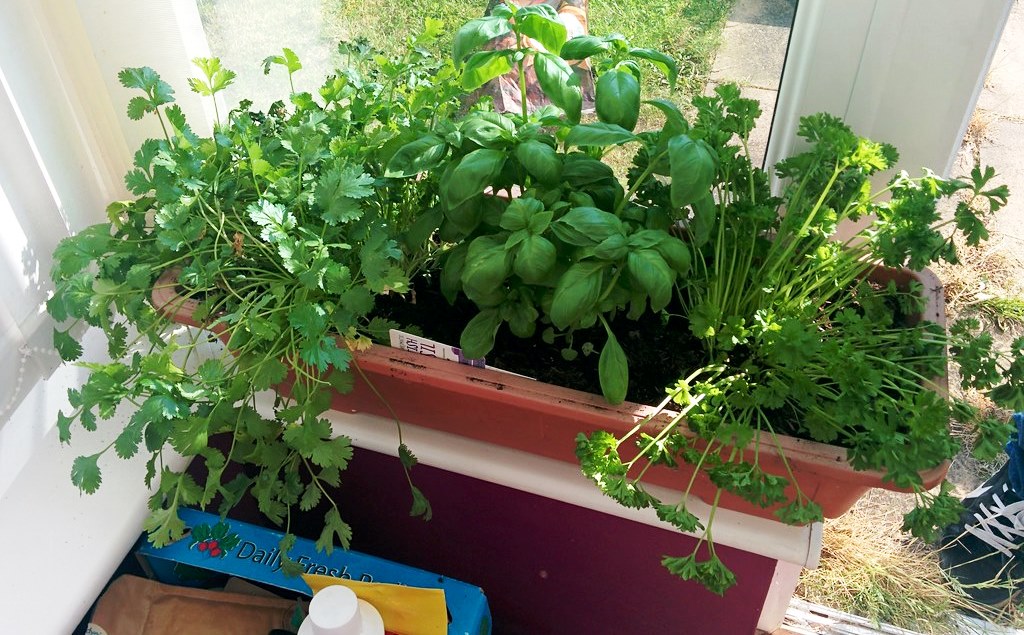
Inner city living, and convenience shopping have largely flooded over the joy of producing fresh salads with our own hands. Childhood memories of getting mud on our fingers have become faint, if they are still there.
Perhaps we should reawaken our kitchen gardening skills. A pot on the windowsill or deck could produce a crop of green peppers, or a fine display of herbs. Their fresh green taste will add excitement to our salads. We will also make a tiny saving on chemical fertilizers and transport. Admittedly, this is a small beginning. However, if all 7.8 billion of us did this, that would be a different matter.
Planting Artisanal Gardens in Climate Ravaged Areas
Harsher droughts and more extreme storms can destroy communal harvests in remote areas. Large sums of money are spent shipping food using airdrops. However, when the media move on, refugee camps are soon forgotten.
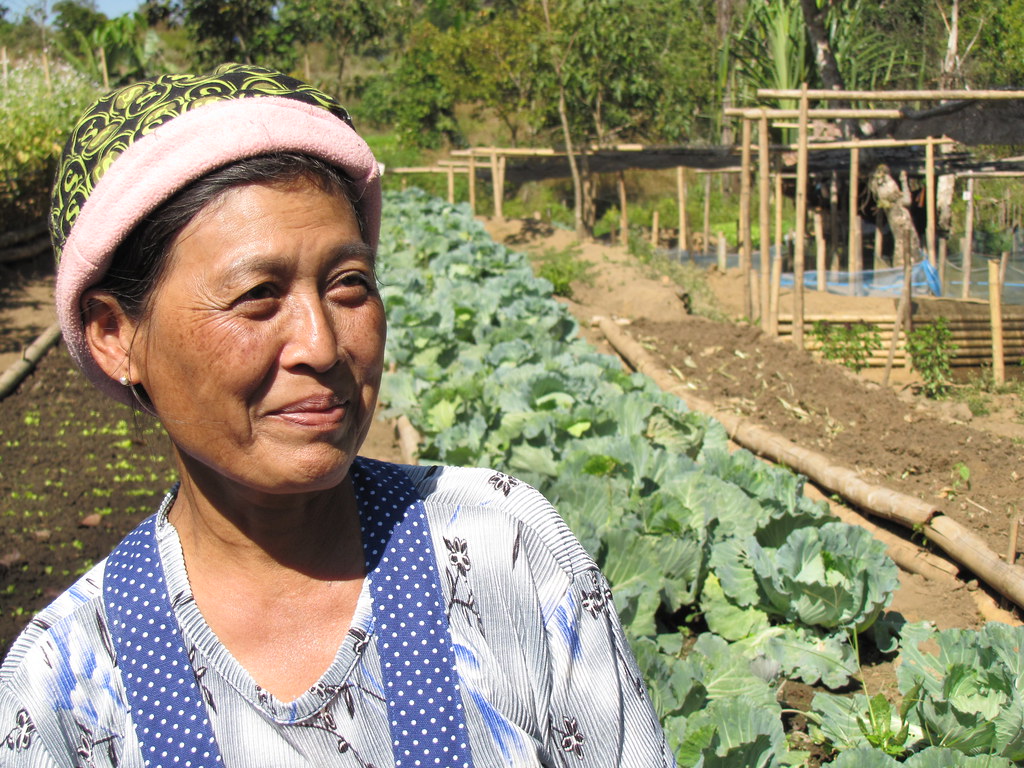
Sabine Gabrysch is climate change professor at Charité – Universitätsmedizin Berlin, and Potsdam Institute for Climate Impact Research. She sees things differently. We must teach these communities to grow their own food, she told BBC Berlin. It is so unfair, she adds because they do not contribute to climate change. Her team is teaching Bangladesh families how to do kitchen gardening for life.
Give a person a fish and you feed them for a day, an old proverb says. However teach them to fish and you could feed them for a life time.
Related
Fighting Climate Change in Our Small Garden
Hong Kong Zero-Waste Entrepreneur’s Hanging Gardens
Preview Image: Combine Harvesting