Coming through some of the hottest days this summer has been debilitating for us all. It is easy to forget our batteries in the rush for a cool shower. However, the truth is lead-acid batteries ‘sweat’ in heat too, although not literally on 100-degree days. They are not alone in this either. All batteries work best at temperatures that suit humans too.
When Lead Batteries ‘Sweat’ What Happens Next?
Eagle Eye Power Solutions confirms the following we should take note of:
- Sealed absorbent glass mat batteries are susceptible to water loss, and we cannot top them up.
- A 10% water loss in a valve-regulated lead battery can equate to a 25% loss in capacity.
- Vented lead batteries cope better. The electrolyte touches the battery container for better heat dissipation.
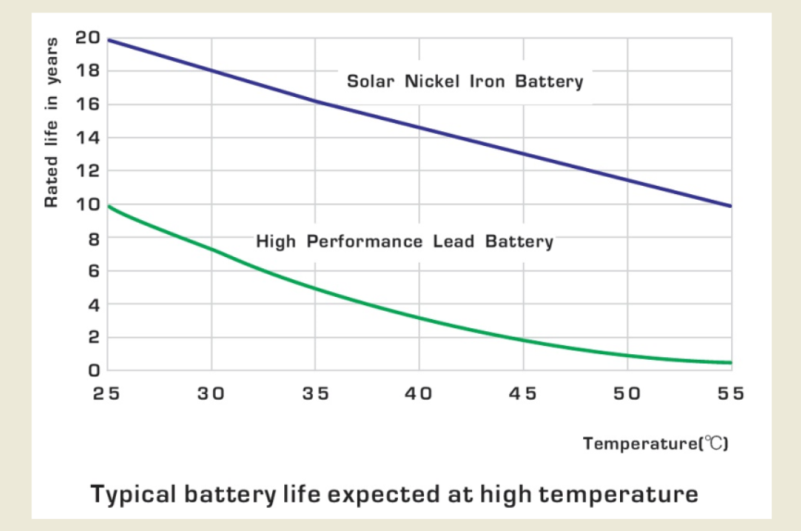
From the above it seems likely that valve-regulated lead batteries will fail sooner under hot, poorly ventilated conditions. That’s because battery life can fall by 50% for every 15°F – 18°F above 77°F (25°C). We therefore need to ensure we keep our stationery lead batteries as cool as we can, at least for as long as the heat wave endures.
How Lead Starter Batteries Also Need Extra Care
Auto starter batteries should fare better than their stationery counterparts, for as long as they are in motion in cooling air. However, this summer’s excessive heat can cause battery failure, and reduce battery life too. We can counter this to an extent by following these simple measures, according to Star-Telegram:
- Take the vehicle for regular cooling twenty-minute trips, or longer to recharge the battery.
- Keep the vehicle as cool as possible by parking it in a garage, or in a cool, shady area.
- Avoid running the engine in a stationary vehicle to benefit from the air conditioning or entertainment.
All batteries ‘sweat’ in summer at 100F-plus temperatures. We can improve the situation by adopting these simple countermeasures.
More Information
Maintaining a Sealed Lead-Acid Battery