Nature.com believes we should combine conversion cathodes with silicon anodes in the next generation of lithium-ion battery cells. Since these conversion materials in electrodes could allow cells to store twice the energy of the best conventional ones by volume and more than three times by weight.
Conversion Materials and Inroads
This new silicon technology is finding its way from laboratories to factories. Tesla already adds small amounts of silicone to the graphite anodes for its lithium-ion cells in electric cars. And BMW is not far behind.
The German auto manufacturer plans to have silicon-dominant anodes in its electric car batteries. Other companies are following suit with silicon-based conversion materials in California. Nature.com reports these include Enevate in Irvine; Enovix in Fremont and Sila Nanotechnologies in Alameda. But the cathodes are lagging behind.
Watch Electric Battery Car Research in Action in This Video
Delays Experienced in Following Through with Metal Fluoride
Researchers are still trying to get on top of conversion materials for cathodes. Conversion-type batteries currently take twenty hours to charge, and consume a third more energy. Moreover, their recycling stability is unpredictable.
Hence, Nature.com’s is calling for the government and the industry to invest more human and financial capital in searching for a breakthrough in this essential research. Remember, we may not be running out of cobalt for lithium ion batteries yet. But we do face a problem of limited supply preventing the speedy rollout of electric cars.
We are standing on the edge of the abyss of climate change. Nobody knows exactly what will happen, and how we will survive. The current northern hemisphere heatwaves are a sombre warning of what we face. Tragically, this is the result of our own efforts to improve our lives.
The solution depends on what we, the people, do about this. We can no longer vote, and then leave it to politicians. Next, our blog moves on to identifying what we can do personally, to help stall the warming through our individual effort.
Related
Replacing Lithium Batteries Part 3 Common Materials
Phasing Out Lithium Part 2 Cobalt Reserves
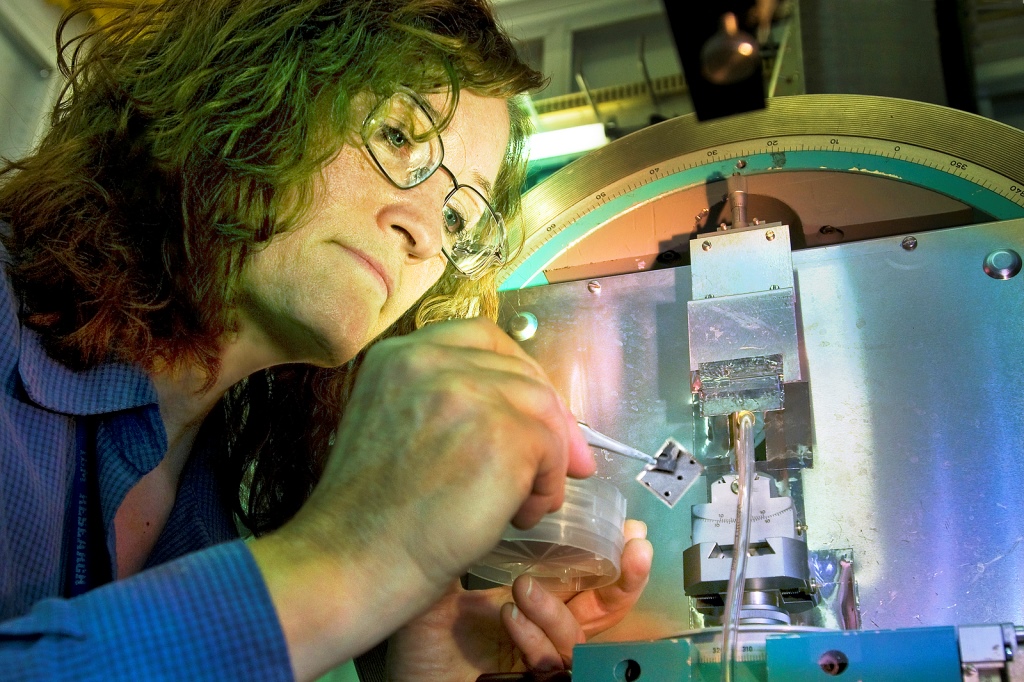
Preview Image: Researcher at Brookhaven National Laboratory Loads a Silicon Wafer Sample
Video Share Link: https://youtu.be/b-Dfh7R1kW0