Health and safety is a frame of mind in which we are aware of personal risks, and take proactive steps. Big business employs professional specialists to protect workers on a full-time basis. However, if you own a small business or manage one this becomes your own responsibility. So what precautions should you take to promote lithium battery health and safety?
Health and Safety Precautions With Lithium-Ion Batteries
Lithium batteries seem almost everywhere we go in business nowadays. Here we think of portable computers, phones, power tools and so on. The chances are excellent that these will provide a lifetime of healthy, safe service. Notwithstanding this, common sense requires we put plans in place, just in case they do fail.
National Safety Council suggests the following strategy on its Safety and Health website, to which we add a few of our thoughts:
- Meet with employees individually or in a group. Explain the risks and dangers attached to damaged or substandard lithium-ion batteries. Demonstrate how to recharge them safely. Make sure your employees only use a charger clearly labeled for a particular device.
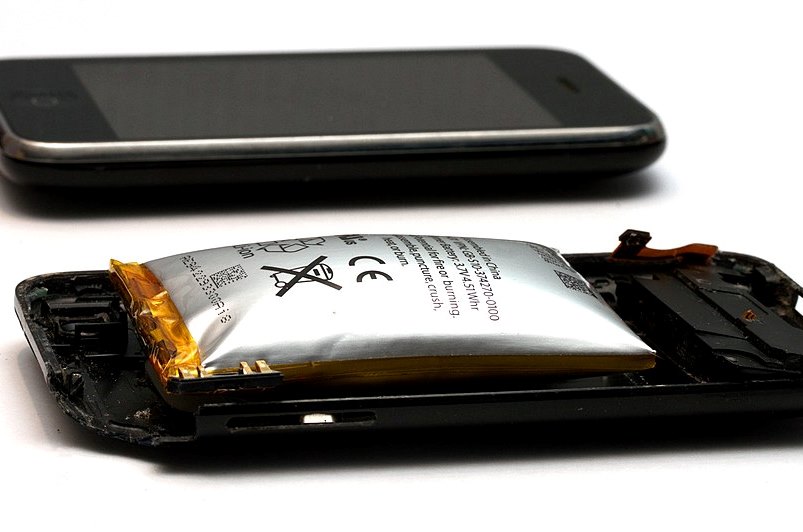
- Explain the safety warning signs attached to a failing lithium-ion battery. These include the cell becoming warmer than usual during recharging, swelling or becoming distorted, and / or leaking fluid.
- Document your lithium battery health and safety policy for isolating batteries when recharging them. This process should take place in well-ventilated spaces away from other combustible materials. Overheating lithium-ion batteries can explode and burn furiously!
- Encourage your workforce to think ahead, and imagine what would happen if there were a lithium battery fire. It could become critically important to recharge lithium batteries away from passages, stairwells, fire extinguishers, and exits.
Document and Publish Your Battery Safety Policy
Write your lithium battery health and safety policy down on disc and paper. Give each employee a copy, and store the originals in a safe place where you can find them easily. Put procedures in place that allow employees to report concerns in confidence, even anonymously. You’ll regret you did not do so, if you have a lithium-ion battery fire.
More Information
Thermal Runaway and Personal Safety
UL Certification & Lithium-Ion Battery Safety
Preview Image: Damaged Lithium-Ion Battery