Lithium-based batteries could be able to recharge thousands of times, and still work depending on the quality of their manufacture. Ones that we can trust should have temperature sensors, voltage regulators, and battery charge-state monitors. We share the most important battery-life extension tips, to help you avoid accidentally damaging your lithium-based battery.
Life Extension Tips for Maintaining Lithium Batteries
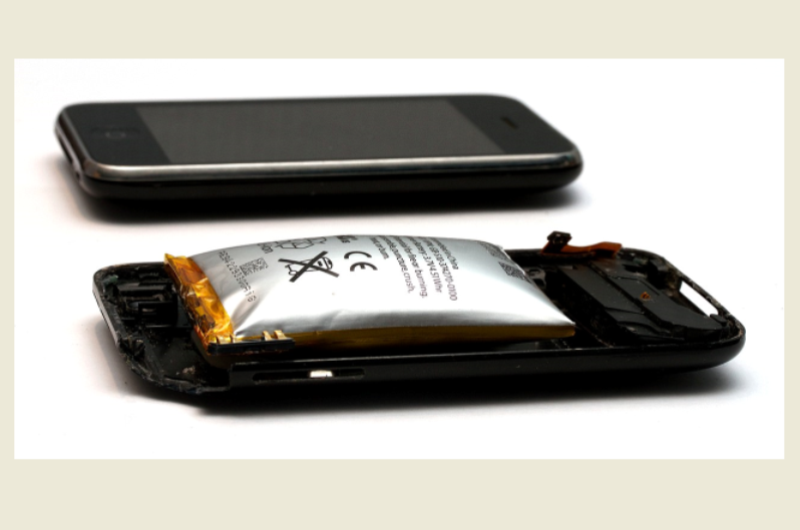
The positive electrode in almost all lithium-based batteries can overheat, and explode in fire if the component is compromised or damaged. Fortunately, this is statistically rare. None the less, make sure you purchase a UL-certified lithium battery, or one that meets a similar standard.
Managing Heat in Lithium-Based Batteries
Lithium batteries generate heat internally as they store and release energy. This is a natural process that becomes more noticeable as they age. We can help control this factor by not leaving the device on-charge permanently, so it has a chance to cool down.
We can reduce the risk further by recharging lithium-based batteries on hard surfaces, so the air can circulate better. But we could improve our chances even more by charging them in well-ventilated space, especially on hot summer days.
Battery-life extension tips are easier to remember when we understand the reasons behind them, which is what we aim to do here.
How We Discharge Them Also Affects Battery Life
Using a lithium-based battery wisely to extend its operating life, can be like hiking through the Rocky Mountains. We should take rest breaks regularly, and not push ourselves so hard we permanently damage our ligaments and muscles.
Lithium-based batteries work the same way if we stretch our imagination. That’s because they don’t particularly like being charged fully, or drained too deeply. Adjust your device’s settings to optimize battery life within this safer range, and strain it less.
However, the time comes in the life of every battery (and every hiker for matter) when it is time say ‘enough is enough’. If your battery becomes hotter when recharging, and can’t hold its charge nearly as long, then it is time to send it for recycling, and put a fresh, certified one in its place.
More Information
Second Life Auto Batteries Power a Home