Scientists at Rice University in Houston, Texas have been trialing novel battery material recycling, using extreme heat. They have been applying a new method they devised, that they call ‘flash joule heating’. This procedure uses extreme heat to rapidly transform a battery material into another substance. And this in turn facilitates separation and purification of active battery substances.
How and What is Flash Joule Heating?
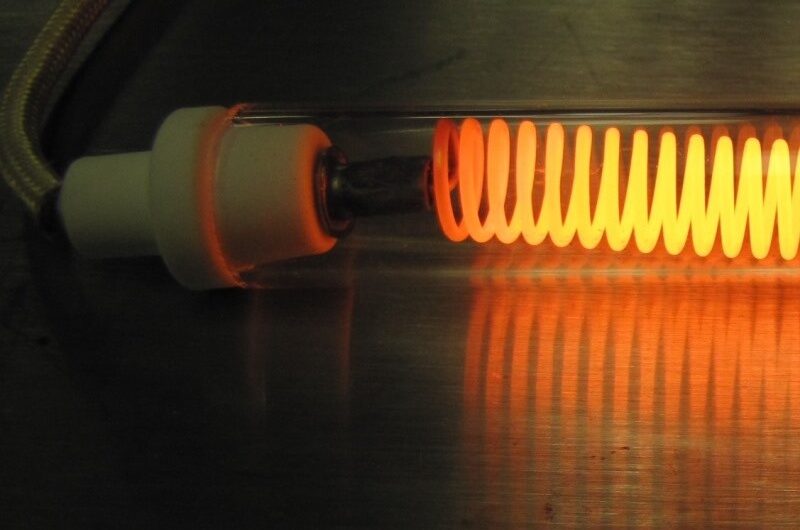
Flash joule heating sends a direct electrical current through a moderately resistive material. This energy rapidly heats that material to a temperature equivalent to the its resistance, times the square of the current.
The term ’flash’ refers to the rapid increase of temperature in milliseconds to as high as three thousand degrees celsius. MTM Critical Materials confirms that this novel battery material recycling method “unlocks metal from ores and waste”.
“This it turn potentially reduces costs”, our source continues. “It decreases the amount of reagents required, potentially decreasing the amount of water that is consumed in the extraction process. And thus making metal extraction more sustainable.”
Novel Battery Material Recycling at Rice University
The Rice University team were aware that traditional battery recycling relies on thermal or chemical processes, that are expensive and polluting. The Techno Science website reports they turned to the flash joule heating method developed by their university.
The Rice University laboratory experiment, increased the temperature in battery waste to 2,500 kelvins (approximately 4,040°F) in seconds. This converted the materials to “unique structures with magnetic shells and stable cores”.
Those magnetic forces enabled the researchers to separate and refine active battery materials, and in the process something exciting happened to the cobalt-based cathode.
The magnetic forces allowed the Rice University team to isolate the rare, expensive cobalt metal. And as a direct result, the scientists were able to recover 98% of this scarce material.
More Information
Recycling Lithium Ion Batteries with Fruit Peels
Magnetic Resonance Spectroscopy & Batteries