South Korean and British researchers formed a team to develop nuclear batteries for space exploration. The Korean Atomic Research Institute signed a memorandum of understanding with the University of Leicester in early September, 2019. They say they will work together to develop nuclear power cells. Clearly they are aiming for a share of the growing space industry.
More about Their Nuclear Batteries for Space
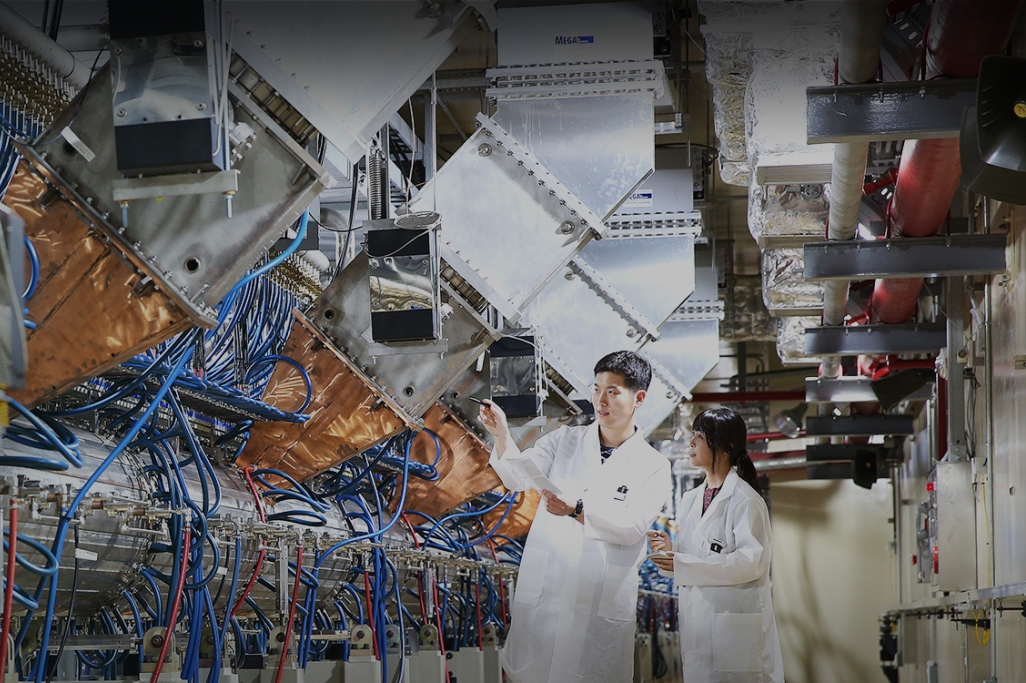
Nuclear batteries take their energy from a decaying radioisotope without triggering a chain reaction. They last longer than conventional batteries, don’t require recharging, and can tolerate harsher conditions.
They are therefore ideal for situations where they have to operate for a long time without human intervention. “Nuclear batteries for space exploration are one of the strategic technologies of major countries,” Son Kwang-jae told Aju Business Daily. He is senior researcher with the Korean Atomic Research Institute. That’s because he knows deep space exploration is expanding. Moreover the batteries have other uses for space stations, pacemakers and underwater facilities.
South Korea Can Save Time by Teaming with Britain
The Korean Atomic Research Institute believes it can ramp up faster by sharing knowledge with Britain. The UK is also a late starter with nuclear batteries for space vehicles. However, the university leads European Space Agency research in development of radioisotope thermo-electric generators and this gives it an edge.
Atomic batteries normally use plutonium (Pu-238) as radioactive isotope. By contrast, the European Space Agency project has been using americium (Am-241). That’s because it’s readily available from spent nuclear fuel, and has a longer half-life of 432 years than plutonium. Moreover, Britain has a process to extract the americium from spent nuclear fuel.
South Korea has developed a carbon composite material protection-module to protect isotopic heat sources in the event of an accident. Therefore, the project to develop americium nuclear batteries for space is off to a good start. And we wish the researchers well.
Related
New Horizons Radioisotope Generator
Batteries Will Help Search for Life on Titan
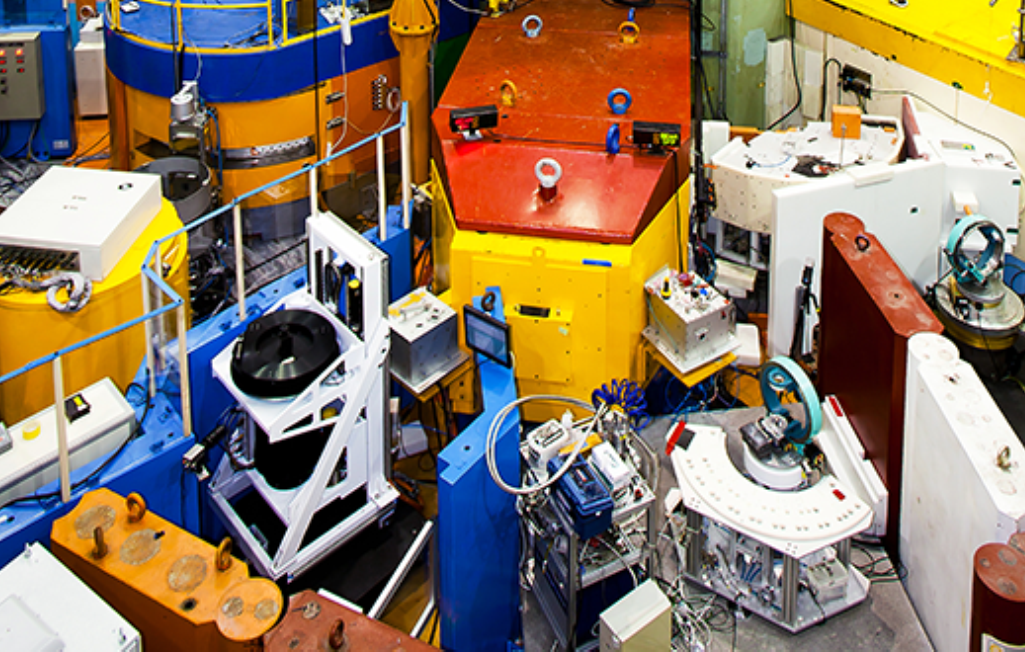
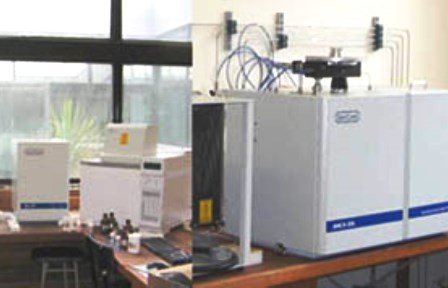
Preview Image: Research Facility at Korean Atomic Research Institute