Our magnificent planet is running out of options, the Intergovernmental Panel on Climate Change (IPCC) says. Their third special report released this year speaks of our ocean defenses running out of steam. It is as if the giant battery powering them is losing charge. Yet we might be able to literally stem the tide if we make “deep and immediate cuts to carbon emissions”.
Our Ocean Defenses Are Failing Sooner Than We Expected
Earth can no longer absorb the global warming. More and more frozen land is melting, and unleashing stored carbon into the air. The melt is raising the level of the seas. As the warmer water floods the permafrost, even more melts.
The IPCC scientists have previously been working on the assumption of a 1.5ºC increase by the end of this century. However, their current assessment of our ocean defenses is the most depressing and worrying of the three. “The blue planet is in serious danger right now, suffering many insults from many different directions and it’s our fault.” So says Dr Jean-Pierre Gattuso, coordinating lead author of the report.
The Global Ocean Warmed Continuously Since 1970
Our ocean defenses are no longer able to moderate the effect of global warming. They are now only taking up 90% of the heat humans generate. Sea levels were rising due to thermal expansion. Now the melting of Greenland and Antarctica are taking their toll too.
The highest projected sea level rise is now 1.1 meters by 2100. It’s a sobering thought we are already a fifth of the way through this century. “This will have widespread consequences for low lying coasts where almost 700 million people live and it is worrying.” That is according to Dr Jean-Pierre Gattuso, from the CNRS, France’s national science agency speaking to a BBC environment consultant.
Right around the world people are beginning to ask, which of the land should we save? And which should we abandon to the unstoppable force of the oceans?
Related
Upper Ocean Warming is Strengthening Waves
Climate Change Evidence: Warming Oceans
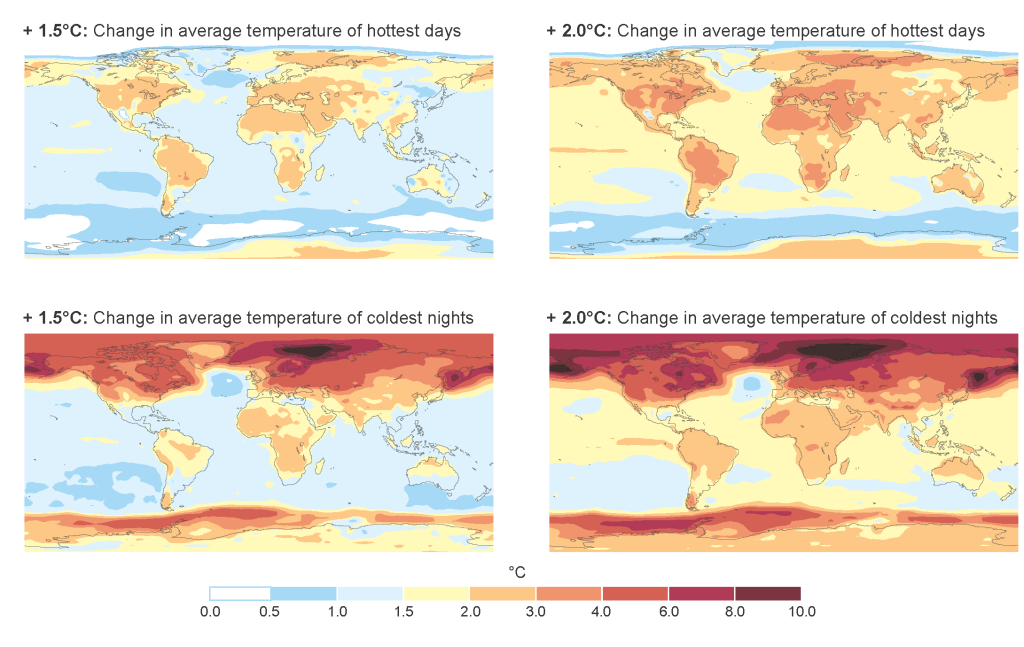
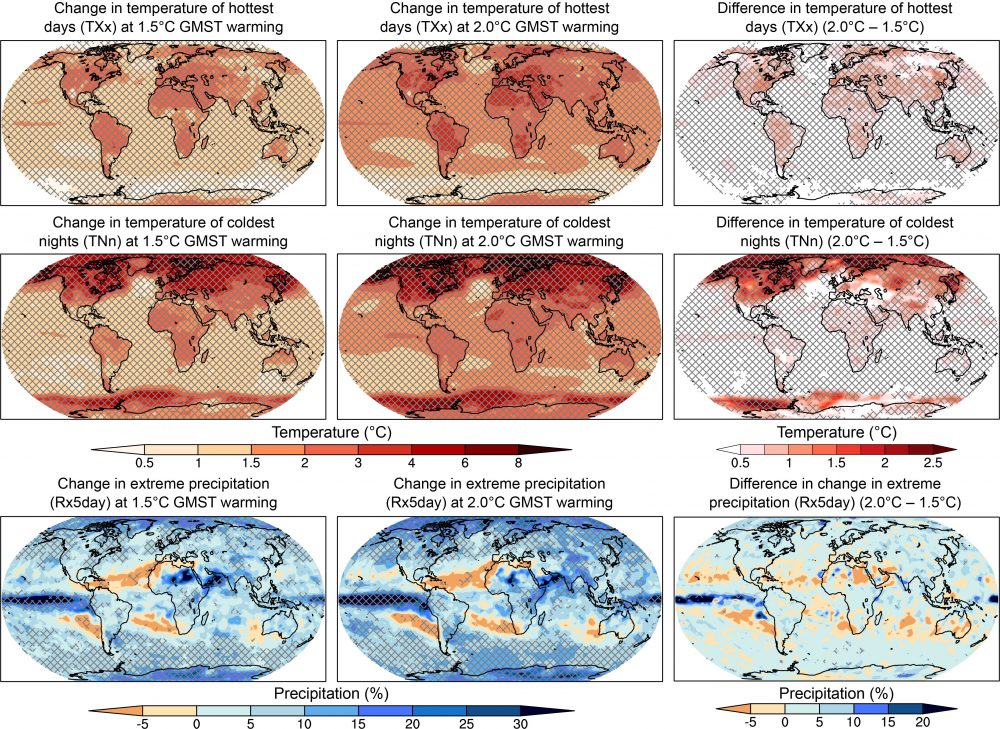
Preview Image: Temperature Change Is Not Uniform Across the Globe