Jill Richardson is a food scientist pursuing a PhD in sociology at the University of Wisconsin-Madison. When not thus occupied, she contributes to Other Words, a free service provided by the Institute for Policy Studies. Her choice of specialisms is interesting because social pressures influence the food we eat. She thinks fossil fuel executives have been deliberately papering over climate change since 1982.
Papering Over Climate Change: Role of Tobacco Companies

Jill Richardson does not claim a direct connection. However, she alleges tobacco companies knew the link to cancer for decades. Yet they “denied the link entirely, misleading the public for decades while killing their customers,” she says.
Richardson also alleges scientists at a <name> oil company “made startlingly accurate predictions about climate change as early as 1982”. Then they “spent millions of dollars on a misinformation campaign to sow public doubt about climate change,” she alleges. We’re not trying to convince you about the oil industry either way. However, politicians papering over climate change do create distractions that confuse us.
Jill Richardson, Food Scientists Explains How This Works
We have heard tales of suppliers of allegedly unhealthy fast foods trying to confuse us by adding a few greens. They know they don’t have to convince their markets their food is good for them. They just need to create enough uncertainty to prevent them from doing anything.
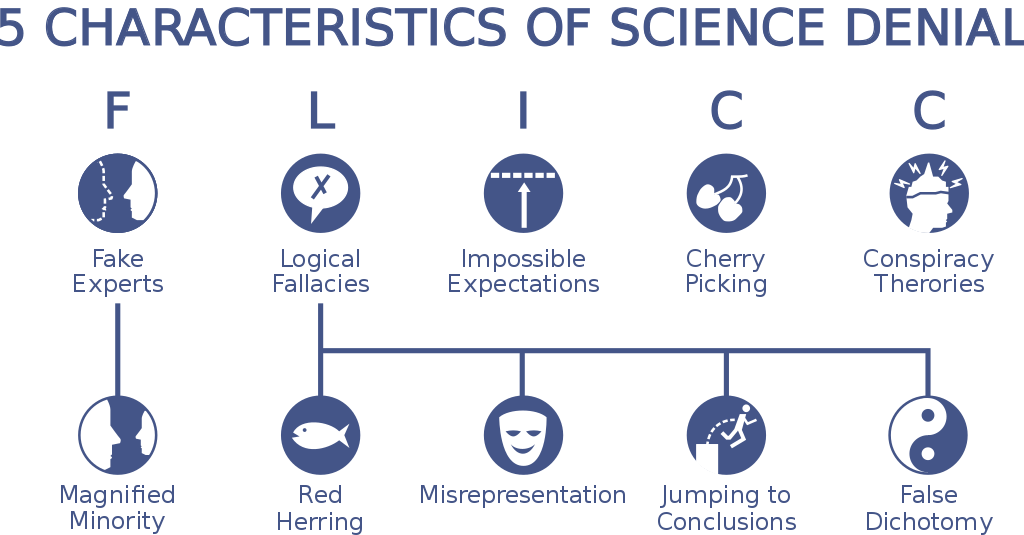
As a sociologist, Jill will know authority figures are remarkably successful at doing this. Few will argue with a technician in a white coat surrounded by equipment in a spotless laboratory papering over climate change. You might like to think twice about climate denial by people who don’t know a thing about climate science.
We agree with Jill on one point though. “If 97% of scientists agree that humans are causing catastrophic climate change, that’s a consensus” among people working with the facts.
Related
Climate Change Denial Myths Exposed
Earth’s Climate Derailed in Just 160 years
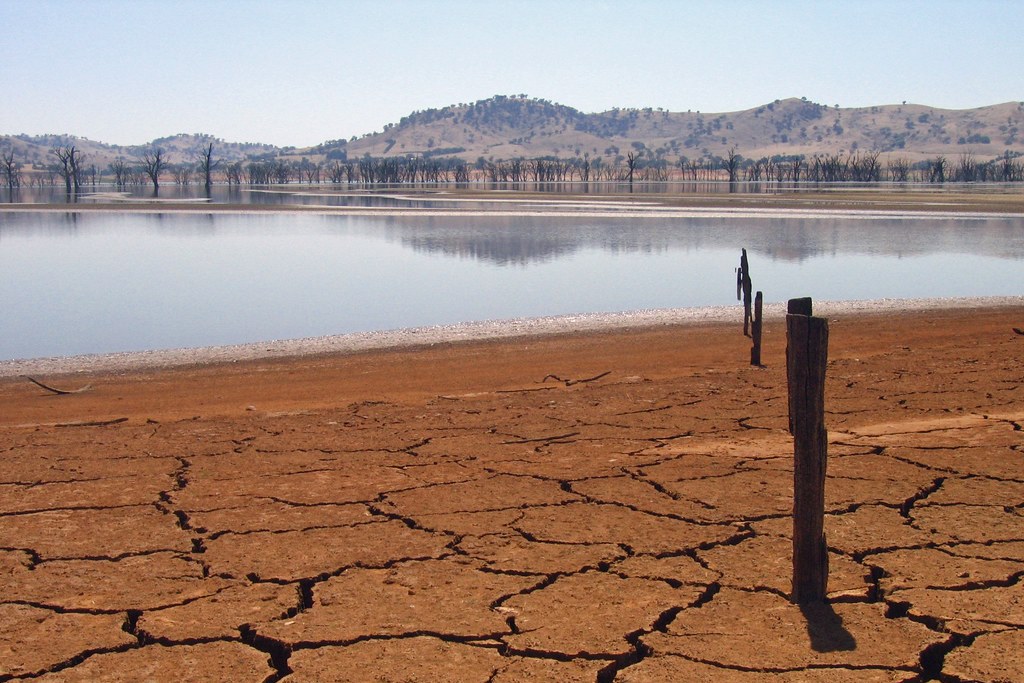
Preview Image: Lake Hume at 4% in New South Wales, Australia