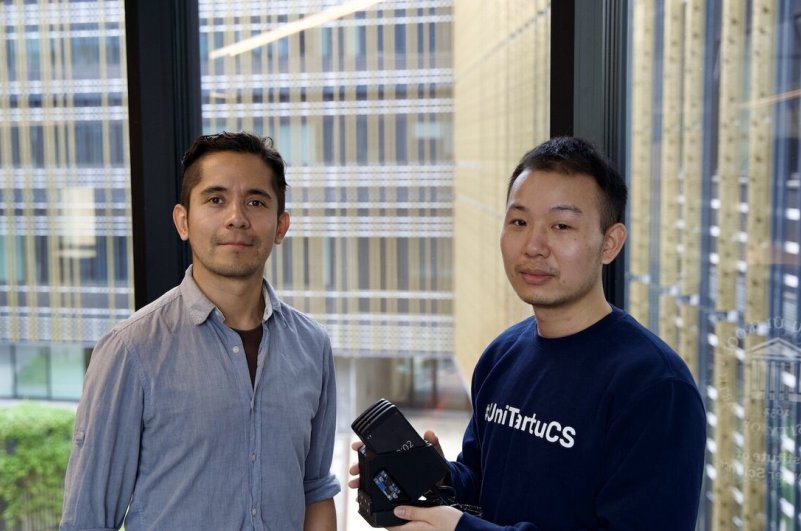
We have written on a number of occasions, about recycling old batteries by finding new purposes for them. But we had never considered the possibility of repurposing them in situ, meaning in their original position. Student researchers at University of Tartu, Estonia, have given us a wake-up call, after successfully recycling smartphone batteries in situ.
A New Use For Old Smartphones With Batteries In Situ
‘In situ’ is an old Latin expression meaning in place, or on site. Our main interest is how the Tartu team found a new use for smartphone batteries, although this was via their smartphones. We very much doubt many people remove batteries from old phones, before they dispose of them in favor of new ones.
There’s a mountain of old smartphones and their batteries accumulating, as 1.2 billion new phones reach global markets every year. Manufacturing and delivery from factories are both energy, and natural resource-intensive.
Consumers typically replace their smartphones every two-to-three years, to keep up to date with advancing technology. Ideally, their old phones and batteries are recycled. Although in reality many of them end up as landfill.
Researchers from University of Tartu decided this was a situation we should not tolerate, especially as the scrap phones and old phone batteries are still mostly functional. They concluded their answer lay in recycling smartphone batteries in situ, by finding new purposes for their phones.
Recycling Old Batteries and Phones With Fresh Purpose
The researchers set aside any thoughts of convincing consumers to keep their smartphones for longer. Instead, the team viewed these devices as mini-data processing centers, complete with impressive memories.
“Innovation often begins not with something new,” a team member explains. “But with a new way of thinking about the old, re-imagining its role in shaping the future.” Especially if we can reuse spent equipment, we add, and save money compared to purchasing something new.
The researchers connected four phones together within a 3D-printed case. Then they tested this underwater, to count different sea species. On a more mundane level, they imagined their devices capturing passenger data on transportation networks.
“Sustainability is not just about preserving the future”, remarks the professor who supervised the project. “It is about re-imagining the present, where yesterday’s devices become tomorrow’s opportunities.” Recycling smartphone batteries in situ is just one example of this in practice.
More Information
Quiet Battery Revolution Brewing in Kenya
Giving New Life to Old EV Batteries