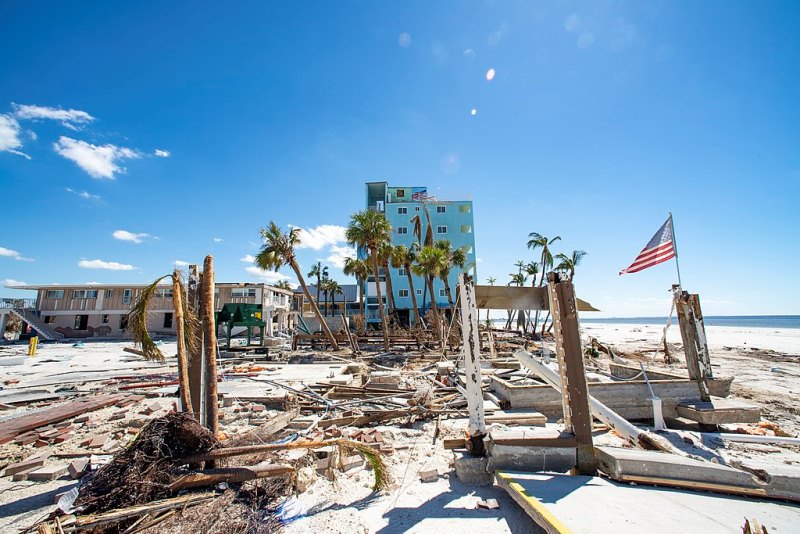
Recent storms and seawater inundations have raised questions about electric vehicle safety, during extreme weather conditions. Test are underway at U.S. National Highway Traffic Safety Administration, and Idaho National Laboratory using 10 EV’s with seawater battery damage. We review a report on The Nation news website regarding what these tests reveal.
Safety Concerns Following Seawater Battery Damage
The 10 seawater-damaged vehicles have clearly seen better days. That’s because their interiors are sprinkled with dirt, mold, mildew, and sediment as reminders of what they have gone through.
Electric vehicles have clear advantages over gasoline-power ones, including lower maintenance costs, and near-zero emissions. However, the National Highway Traffic Safety Administration, and Idaho National Laboratory studies are still cause for concern:
- The energy remaining in seawater-flooded batteries can cause thermal warming, even fires.
- This raises safety concerns over passengers trapped in EVs, and those seeking to rescue them.
The 10 electric vehicles in the study were among the 5,000 that suffered flood damage during Hurricane Ian in 2022.
What a Tear-Down Study Tells Us About the Batteries
The researchers dismantled nine vehicles to remove the batteries for detailed study. “Some of the main battery packs were partially submerged, and some were fully submerged,” a researcher explains.
“Five of the 10 batteries did not show evidence of water in their main compartment, but the other half did.” The team investigated further to establish the actual extent of seawater battery damage, and this is what they found:
- Eight of the nine vehicles showed evidence of seawater intrusion under the floor above the battery pack.
- In three cases the water only reached as far as the ‘penthouse compartment’, housing power electronics.
- However, in the remaining five cases the water had entered the compartment housing the primary batteries.
Nine of the ten electric vehicles’ main batteries still held some of their charge. “This stranded energy in an unknown state due to either a collision or natural disaster, could pose major safety concerns to anyone who comes into contact with an electric vehicle,” the report warns.
More Information
Batteries in Hurricane-Resistant Homes