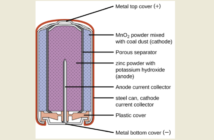
There are various ways to connect electrical circuits, and install batteries for that matter. However, the two simplest are series and parallel arrangements. We could compare these to soldiers marching in single file, or in columns of three. So, what are series and parallel circuits all about, actually?
Series and Parallel Circuits Follow Different Paths
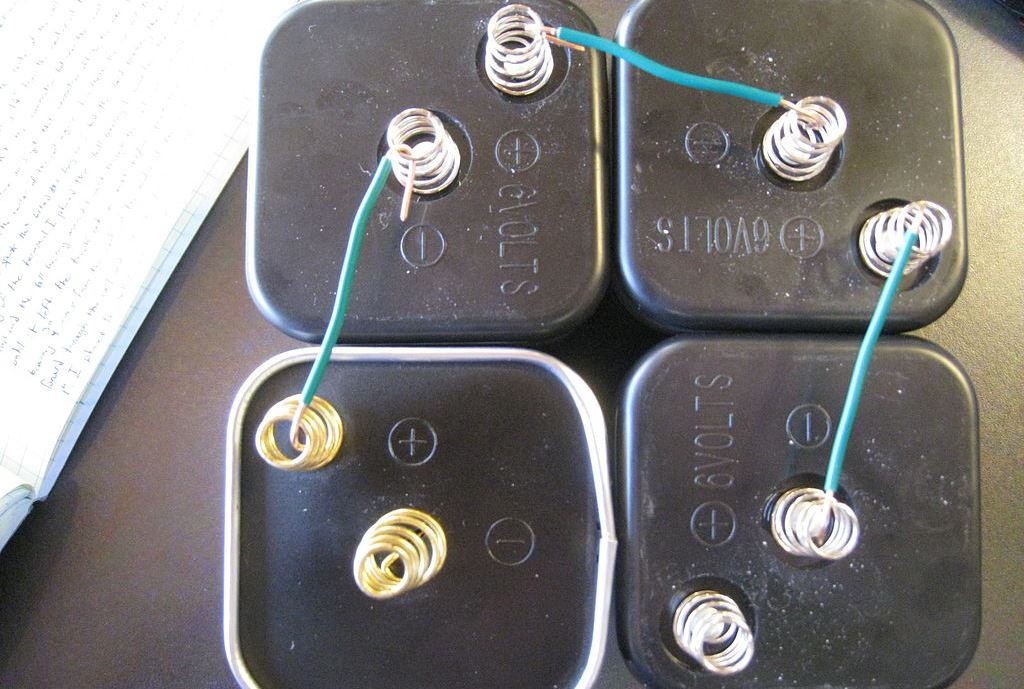
Series circuits march like soldiers in single file from start to destination. By contrast, parallel circuits follow more than one route, although these are not necessarily physically parallel as the word suggests. We also compute total current differently in series and parallel circuits.
While the current through each of the components in a series circuit is the same, the voltage across the series circuit is the sum of the voltages across each component. However, the situation is different in parallel circuits. There, the voltage across each of the components is the same. But the total current is the sum of the currents running through each component.
A Simple Example of a 6-Volt Battery and 4 Light Bulbs
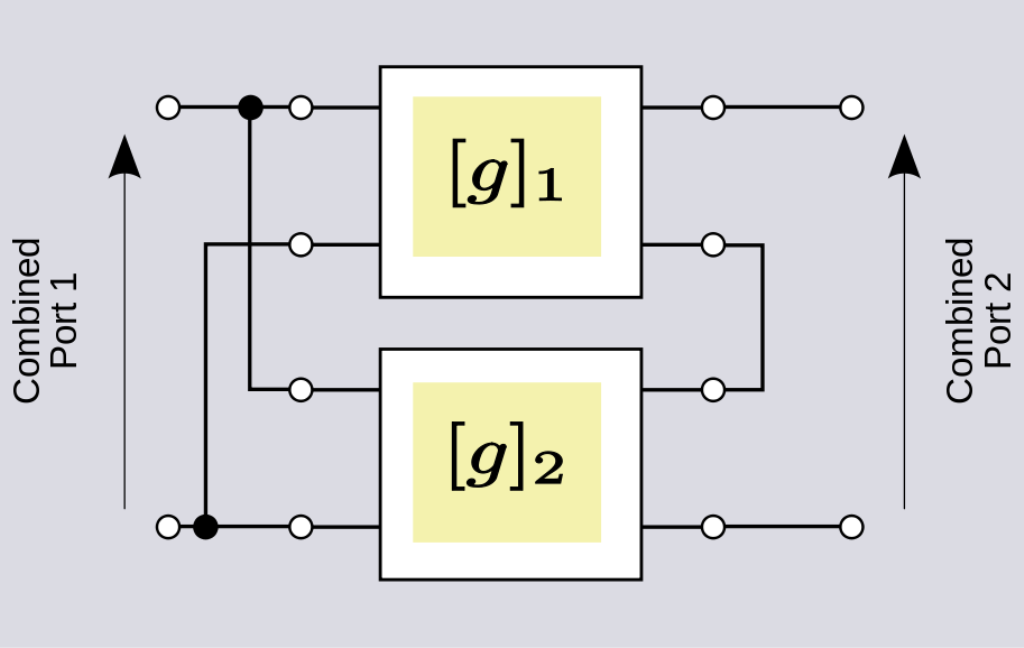
Imagine we connect the light bulbs in a series circuit between the 6-volt battery terminals. In this case, the cumulative voltage-drops of 1.5 volts per resistance may not even allow the light bulbs to glow.
However, if we put each light bulb in a separate, parallel circuit, then the currents combine to form the current of the battery. And the bulbs will all glow brightly. Moreover, if one light bulb fails in a series configuration the circuit fails. Whereas, the remaining bulbs will still function in the parallel one.
Most batteries connect in series nowadays. However, we know of exceptions where solar batteries are in parallel to increase overall storage capacity. Why not do a school experiment to test this claim, and send us photos of what you found?
Related
How Does an Electric Circuit Actually Work?
Back to Basics: How Does a Battery Work?
Preview Image: Columns of Three