Supercapacitors are coming along quite nicely compared to batteries. Supercapacitors are finding new materials for rapid energy storage, while batteries holding energy in chemicals are lagging. We already have supercapacitors disrupting conventional storage with quick bursts of power. Seoul in South Korea hopes to have 3,500 supercapacitor power buses by 2020, following the example of Shanghai, China.
To What Extent Are Supercapacitors Disrupting Energy
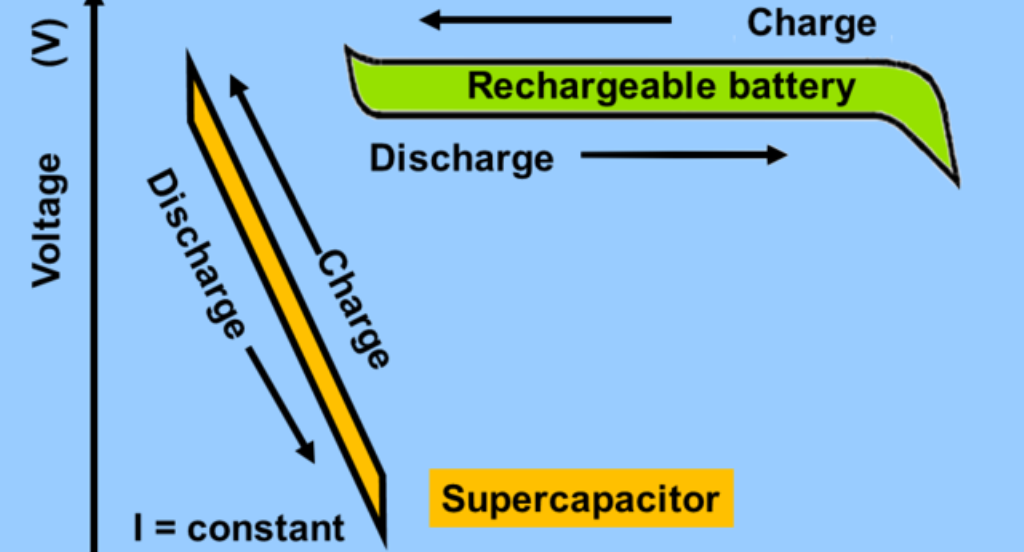
Current supercapacitors deliver short bursts of extreme energy. This is perfect for their original purpose of rapid charge / discharge cycles. However, we have not seen supercapacitors disrupting long-term compact battery storage to a marked degree thus far.
They have not been particularly good at holding power for long. But, they have found a role in regenerative power for electric cars for braking. They are also useful for sudden boosts of energy for trains when accelerating. On 6 March 2018, the BBC reported Dr. Donald Highgate hopes to extend their usefulness.
What We May Be Able to Look Forward To In Future
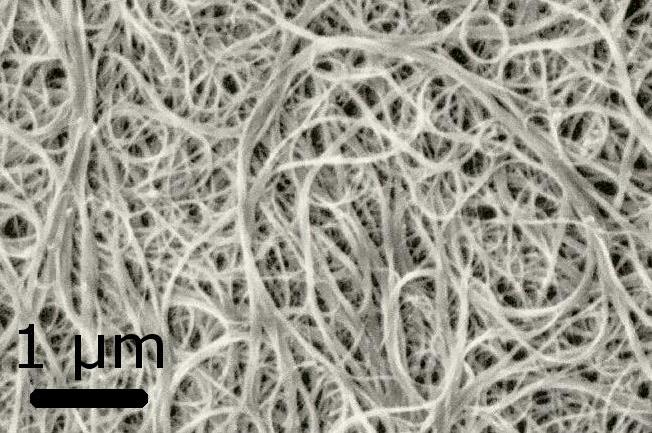
Supercapacitors’ main drawback to date has been their low density. The slow rate of supercapacitors disrupting the energy industry is down to high cost, and this limited storage capacity. But, we have seen progress with carbon nano-tubes and-lattices, although these are slowly coming through in hybrid vehicles.
Dr. Highgate is experimenting with polymer capacitors using a material he developed for contact lenses, with help from Bristol and Surrey Universities. He believes these could replace lithium-ion someday, if he could only upscale his prototype to commercial standards.
Gareth Hinds, Fellow of the UK’s National Physical Laboratory confirms, “polymer-based supercapacitors are emerging as a promising technology.” But there is more work to do. Some visionaries are already imagining electricity cars on full charge in minutes, and smartphones – wait for it – in seconds.
Related
Flash Charging Swiss Buses in Seconds
Preview Image: Battery Versus Supercapacitor Cycles