If we think it through carefully, then we may have do things counter to our beliefs in order to survive. War is a tragic example of this, as is recommissioning coal power stations when supplies of natural gas are low. Climate change will drive us in the direction of tough energy decisions too. Today we write about tackling water uncertainty in climate change, and it takes us in a direction we did not expect.
Tackling Climate Change Water Uncertainty With Nuclear
Only 2.5% of Earth’s water is fresh enough to drink. Chris Baraniuk writing in BBC Business says demand for this will exceed supply by trillions of cubic meters by 2030. Desalination is our only solution on the table, but it is incredibly energy intensive, he says.
That’s because the process involves pumping large volumes of water across membranes at high pressure. Moreover the technology needs to be transportable, because severe drought could happen in any part of the world.
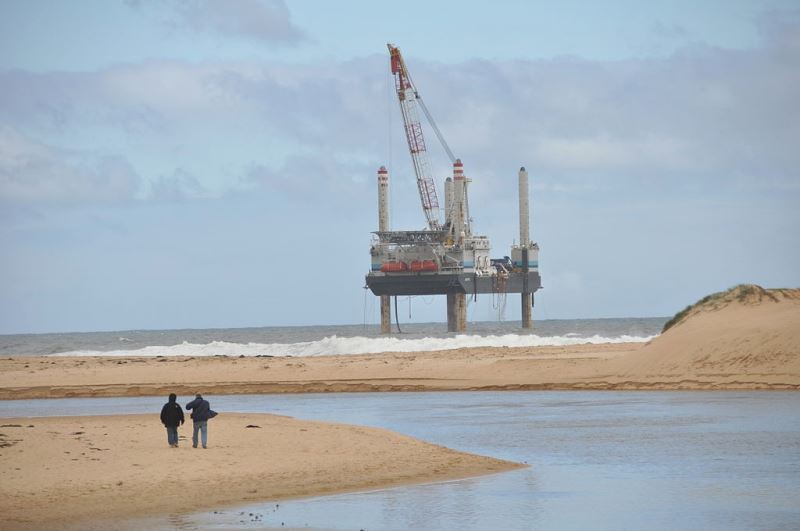
A picture begins to emerge of large, floating desalination plants crossing the ocean in response to climate change. Given the high energy demand, it seems logical these vessels should carry their own large generators too. Chris Baraniuk suggests these could be nuclear.
A Floating Nuclear Power Plant Might Actually Work
A nuclear power plant is a contained system that super-heats water in a closed circuit. This circuit transfers heat by exchange to a secondary circuit that becomes the steam that drives a turbine. Finally, water from a separate source circulates around the system to maintain safe operating temperature.
Therefore, it is entirely possible to imagine floating, nuclear-powered desalination plants cooling themselves from the ocean as they converge on drought-stricken areas. The U.S. navy has done this with nuclear-powered ships. While Russia already has a floating nuclear power station potentially able to drive desalination.
Breaking News
Should Our Gardens Become Carbon Sinks?