The pros and cons of batteries are more or less in equilibrium. Their portable electricity brings great advantages we might never have imagined fifty years ago. On the con side though, batteries are behind one of the greatest raiding parties on scarce mineral resources. Please stay with us while we unpack this dilemma further.
The Advantages and Disadvantages of Batteries
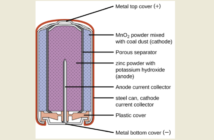
If we made a list of all the things we could do with batteries, we might be busy for more than an hour. Their different sizes, shapes, capacities, materials and chemistries are amazing. Setting the pros and cons of batteries aside for a moment, let’s remind ourselves how they work.
Much of the electricity we use comes from movement. Here we think of wind turbines, steam generators, water wheels, and the flow of tides. Even solar panels rely on tiny particles of light arriving from our Sun. Batteries, on the other hand, are self contained and therefore portable:
- Batteries contain one or more identical cells. The more cells they have, the more energy they can store and deliver.
- There are two electrodes inside a battery cell. These are made of different metals, and have an electrolyte separating them.
- Those cells contain chemicals that react and produce electricity, when we connect them to an external circuit.
- When we connect a battery to an external device, electricity flows through its circuits between the two electrodes.
The pros of batteries are they are portable, and can follow us everywhere we go. This distinguishes them from power stations that send energy to us via fixed power lines.
However, not everything about batteries is an advantages. The metals for the electrodes are hidden underground and engineers have to dig them out. And then other engineers still bury some batteries at landfill sites.
But the balance between the pros and cons of batteries is shifting, as scientists find new ways to recycle and upcycle used battery materials. Lead acid batteries are way ahead of this trend. Our industry already repurposes 95% of old lead-acid batteries for new lives.
More Information
Biodegradable Battery With Natural Polymers