It’s almost impossible to imagine a household without batteries. From televisions to our staple gadgets, batteries are like lifelines that fuel our favorite gizmos. And like all good things, they eventually run out. So where do we toss them once they’ve dried out of juice? The answer is simple: in the recycling.
One thing though, make sure to do it properly.
Each year, thousands of batteries are sent to landfills rather than being properly recycled. In Ontario, the Battery Incentive Program was launched in 2011 and there are over 2,500 collection sites across the province. This program allows any public space or business to be a collection site for free.
More than a third of Ontarians admit that they dispose of batteries in their garbage or blue box. However, batteries are not accepted there.
A regular battery composition:
- A single-use alkaline battery is composed of 25 per cent steel, which can be recycled.
- 60 per cent of the battery is made up of components like zinc, manganese, and potassium – all of which can be recycled into a micro-nutrients for fertilizing corn.
- 15 per cent is made up of paper and plastic. These can be sent to a facility that will create electricity.
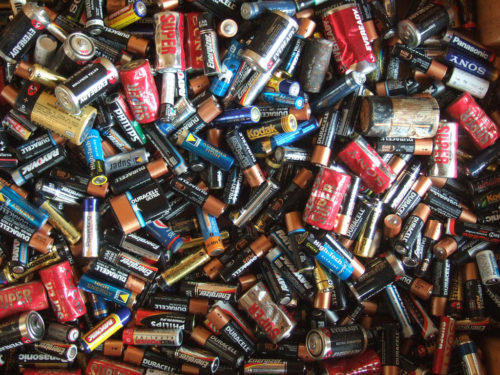
Types of batteries:
- Primary batteries: These are the most common household batteries. These batteries, known as alkaline batteries, cannot be recharged. They use zinc and manganese. They are traditionally used to power watches, remote controls, and toys.
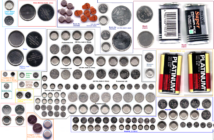
- Secondary batteries: These are known as rechargeable and they can be used repeatedly. They are typically found in laptops, cameras, and mobile phones. They are much more environmentally friendly because they lead to waste reduction.
How batteries operate:
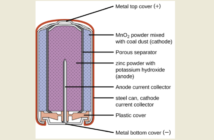
Before batteries were invented, people needed a direct connection with a source of electricity because electricity cannot be stored. Batteries convert chemical energy into electrical energy.
The opposite ends of a battery are known as an anode and a cathode. They create an electrical circuit that allows electrical energy to transfer to a device that is plugging into the battery.
What happens when they end up in the trash:
When we throw batteries in the garbage they make their way into landfills. As the casing erodes, chemicals seep into soil and eventually make their way into our water. The lithium in batteries is additionally harmful due to its volatility in exposed environments. Lithium can release toxins into the air and cause landfill fires that can burn for years.
And recycling a battery isn’t only good for reusing its components. Some batteries contain materials that are harmful to the environment. Lead, nickel, lithium, mercury, and cadmium are dangerous if frivolously disposed into the environment.
Rechargeable batteries are additionally dangerous for the environment because they contain heavy metals.
How to recycle batteries:
Start off by collecting all of your old batteries and dropping them off at a recycling center. It’s important to inquire to your local waste management services. Your best bet is to save all of your used batteries and then take them to the appropriate facility.