Our medical science was on the back foot when the pandemic first arrived. We had no cures for the coronavirus, let alone vaccines. Hospitals, mortuaries and cemeteries overflowed even in parts of America. COVID no longer controls our lives to that extent. However, it is still a fair question to ask to what extent are we controlling COVID?
We Are Controlling COVID to Some Extent
James Gallagher, health and science correspondent for BBC Health agrees vaccines have transformed the pandemic. However, he still believes there is a ‘huge need’ for treatments, because immunity wanes and the virus continues mutating. But we have made some progress on that score too:
- First, we had anti-inflammatory drugs to help prevent our immune systems getting out of control.
- Then we developed anti-viral drugs that made it harder for the virus to replicate inside our bodies.
- And finally, we now have antibody therapies that imitate our own immune systems and attack the virus.
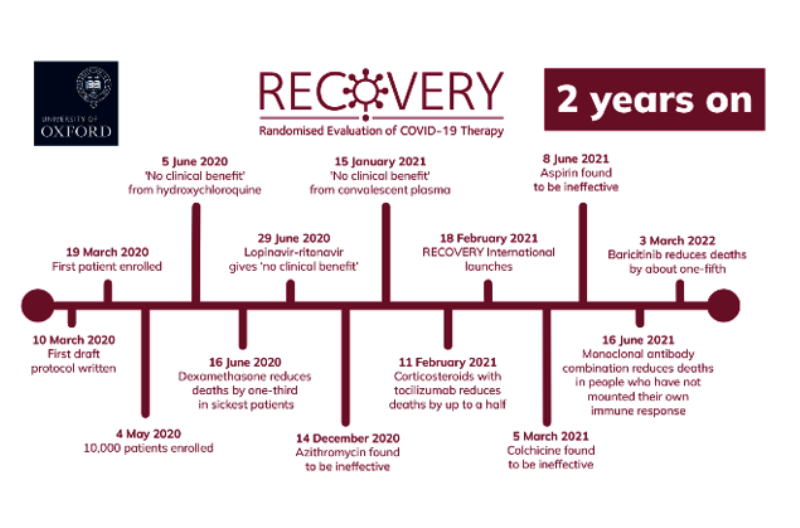
However, we are not on the home straight yet. Omicron may have average milder side effects. However James Gallagher cites statistics from The Recovery Trial suggesting we still have a long way to go.
The International Recovery Trial & What It Does
The Recovery Trial is an international project to test the efficacy of COVID treatments. Its current areas of interest are:
- High-dose vs standard corticosteroids
- Empagliflozin (a drug for diabetes and heart and kidney disease)
- Sotrovimab (a monoclonal antibody treatment against the spike protein)
- Molnupiravir (an antiviral treatment)
- Paxlovid (an antiviral treatment)
The trial has confirmed anti-inflammatory drugs are effective in later stages of the disease when there is a wild-fire immune response. However, 28% of patients still die on ventilators so we need to prevent them getting to this point.
By comparison, they recommend anti-viral drugs early in the onset of the disease, especially where patients do not have vaccinations. Research suggests they improve clinical outcomes but do not improve survival rates.
And finally, antibody therapies that attack the virus are generally administered to seriously-ill patients who are struggling to make their own antibodies. However Mayo Clinic warns most are less effective against Omicron.
From the above it would appear to be a sound move to avoid catching COVID-19 in the first place.
Breaking News
Are Repeats Typical Coronavirus Behavior?
Could a Viral Protein Spike Your Heart
Preview Image: Recovery Trial Update
Link to The Recovery Trial Website