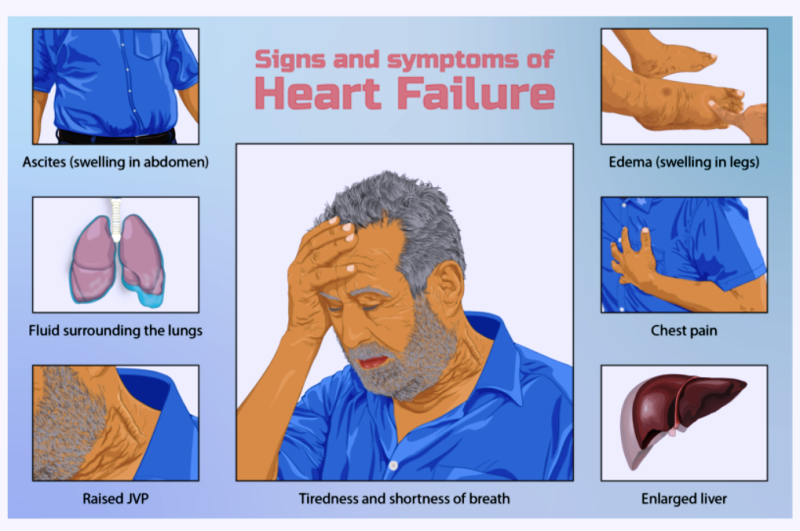
Center for Infectious Disease Policy CIDRAP says unvaccinated heart patients are three times more likely to die from the coronavirus. However, this is no throwaway statement. That’s because they base their opinion on thorough research at Icahn School of Medicine, Mount Sinai, New York. Meanwhile CNBC news channel just announced U.S. is dropping testing requirements for international travelers on June 12, 2022.
Two Different Worlds For Unvaccinated Heart Patients
We really do seem to be on separate planets occasionally. CNBC implies the administration gave way to repeated travel industry pressure. In stark contrast, new research in Journal of Cardiac Failure reveals “unvaccinated heart-failure patients who contract COVID-19 are three times more likely to die of their infections”.
The researchers reached this conclusion after they accessed electronic health records of 7,094 heart-failure patients:
- Those patients made clinical visits at a single health system from Jan 1, 2021, to Jan 24, 2022.
- Their average age was 73.3 years, with an average follow-up of 276.5 days. Some 48% of them were women.
- Unvaccinated, partly vaccinated, vaccinated and boosted ratios were 45.1%, 9.1%, 31% and 14.8% respectively.
Fully and Boosted Vaccinated Heart Patients Fared Best
A total 904 patients in the group of 7,094 subsequently died. The unvaccinated and partly vaccinated patients fared worse, with little difference between them. Boosted patients had the highest survival rate, followed by fully vaccinated ones.
The researchers at Icahn School of Medicine at Mount Sinai, New York say heart-failure patients are at high risk of poor COVID-19 outcomes. Yet despite this, many refuse the opportunity to be vaccinated.
“I launched this study because heart failure patients often express fear of getting the COVID-19 vaccine,” the corresponding author explains. “Especially after hearing reports of vaccine-related myocarditis, which would cause another cardiac setback for them”.
Breaking News
Inflammatory Multisystem Syndrome in Kids
Europe Faces a Higher Risk of Measles Cases