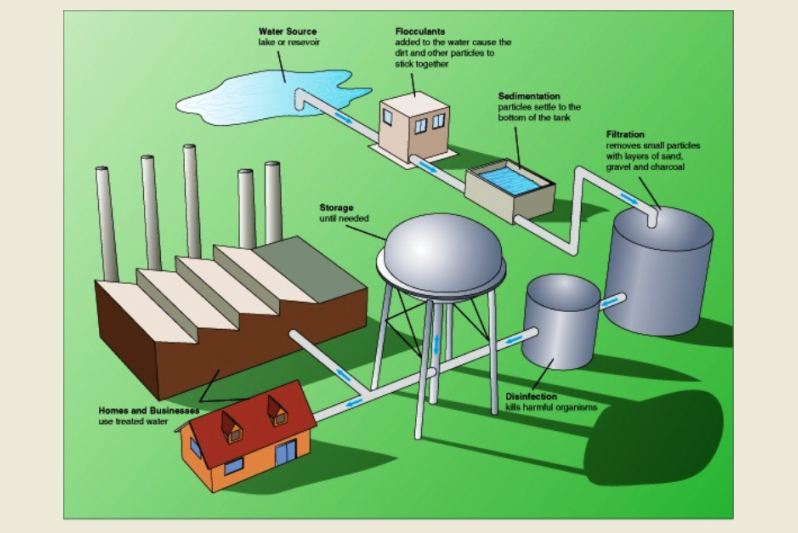
Wastewater is water that an industry, business, or home has used, and sent down the drain to the utility for recycling. In the domestic sense, this means everything from your bathroom and kitchen you don’t have a second use for yourself. Utility wastewater gives doctors a handle on COVID, when they analyze what flows through their pipes.
Doctors Get a Handle on COVID from Wastewater
This information helps medical researchers do the following:
- Determine the amount of coronavirus circulating in the population by testing samples at various points in the wastewater distribution system.
- This information may become available up to ten days before the actual infections appear. However, the virus breaks down rapidly so it is transient.
- This information may also help scientists identify new variants faster. However, the accuracy and currency of this information is unclear.
The COVID-19 pandemic has become easier to track, thanks to rapid testing and increased public awareness. None the less, The Hill news channel reports wastewater surveillance continues to play a role. This is especially the case where there is limited access to rapid testing, or the population largely ignores the pandemic.
How Does Wastewater Surveillance Work in Practice
- Trained technicians collect water samples from designated sites on a predetermined schedule.
- They send these samples to laboratories where chemists monitor for genetic fragments of the COVID virus.
- They send this data in turn to public health officials, who add the information to their pandemic database.
This system has alerted officials to incoming waves of spikes in infections. It also tells them where outbreaks are occurring in their community.
But perhaps most importantly, it tells them about pools of infection of which affected parties may still be unaware. Wastewater gives doctors a handle on COVID-19, without which some people may unwittingly die.
Breaking News
Why Men Are More Susceptible to COVID-19