Customers often ask where lead is from. The lead we use for plates in our sealed lead-acid batteries is a basic element with added compounds for hardening. The soft, pliable substance is almost everywhere we go. Some of it occurs naturally in the outer crust of the Earth. This is bluish-white when freshly mined. Later, it tarnishes to the familiar dull gray color we know.
Lead is From Ore Found in Mines
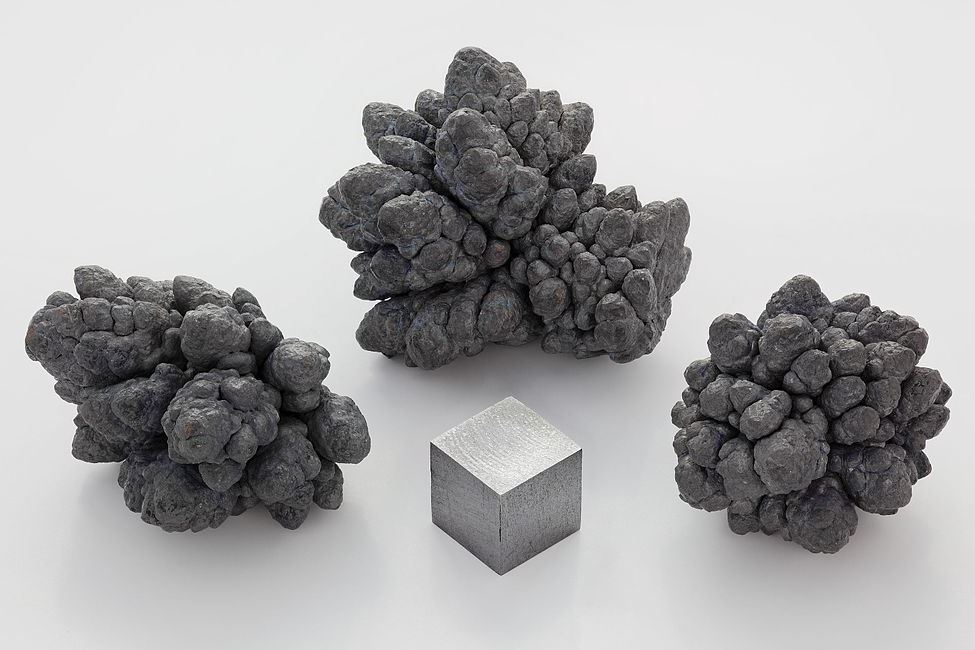
People have been mining lead for at least 4,000 years. The unusually dense, heavy metal has a low melting point, shapes easily, and is resistant to rusting through oxidation. Miners find it in its natural state mixed with rock that often contains other useful metals too.
First, the miners grind the ore until it is as fine as table salt. Then they pass it through a flotation process to separate the lead. Finally, they expose it to over 2500oF (about 1350oC) to purify it further. Half the lead in circulation comes from these mines. The rest of the lead is from recycling plants, primarily from old lead-acid batteries.
I Have Heard Lead is Dangerous
It can be, if it enters the atmosphere in large quantities. With our batteries, the lead is from environmentally responsible smelters and recycling plants. Moreover, we seal it in a strong watertight container.
In the past, lead was often directly in contact with the air, for example from lead pipes and some paints. However, the biggest culprit was gasoline containing a lead additive.
Thankfully, that is far behind us. The government has strict rules in place to control the amount of atmospheric lead, and the situation is improving. However, we still use lead in such a variety of industrial processes it is hard to know where to start.
Some Interesting Places Where We Find Lead
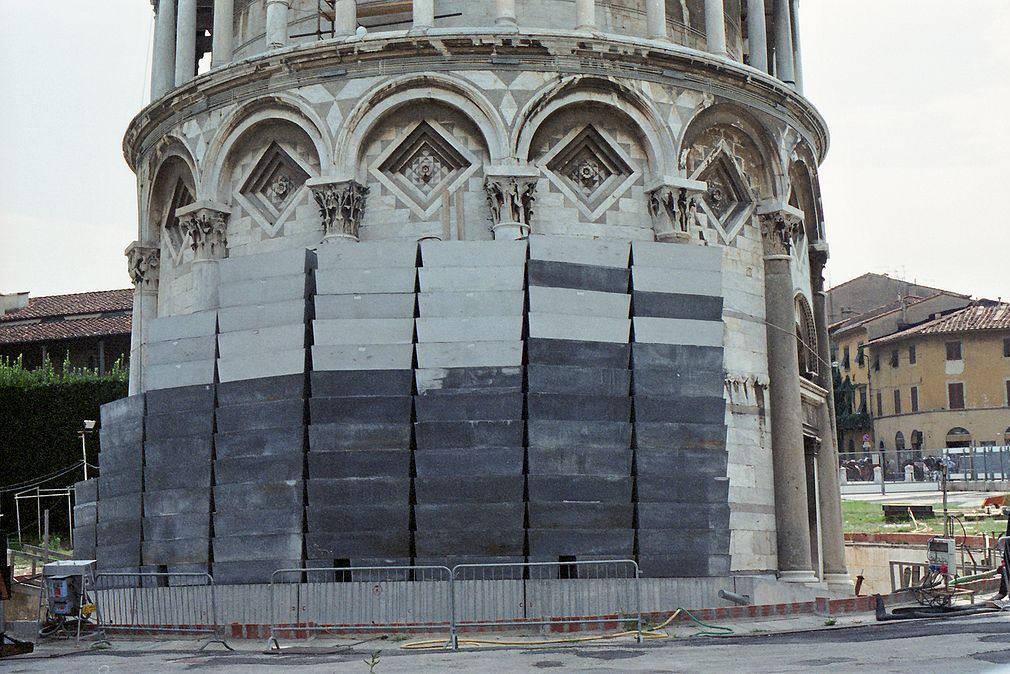
In 1990, engineers used 600 tons of lead to stop the Leaning Tower of Pisa toppling over by placing the metal on one side of the foundation. This post may have traveled to you on a submarine data cable protected by a lead casing. Finally, your pencil lead is from a different source because the core is actually carbon graphite. So you can safely put it in your mouth from that perspective!
Related
How Old is My New Lead-Acid Battery
Making Deep Cycle Lead-Acid Batteries Last
Preview Image: Cutting Lead Sinkers