You do not want to mess with this COVID virus, says William Banks, associate professor of gerontology and geriatrics at University of Washington School of Medicine. He was lead researcher in a study that found the coronavirus crosses the blood-brain barrier in mice. Perhaps we should take him seriously given his team’s academic record (see link to research report below).
Evidence Suggesting the Cross Over Occurs in Humans Too
First, there’s consistent evidence coming out that people with COVID symptoms experience mental side-effects. They describe these as ‘brain fog’, and a sense of weariness and fatigue. Now Banks and his Seattle research team are discovering why this is happening.
‘It was like déjà vu,’ he says. Now he has worked extensively with the HIV virus where a cytokine storm also may cause harm. This occurs when the immune system over-reacts in its attempt to destroy the virus, and inflames existing damage. But would it cross over to the brain too , he wondered?
More Reasons You Do Not Want to Mess with This Virus
The spike protein, aka S1 decides which body cells the HIV and coronavirus diseases may enter. The research team radio-iodinated coronavirus cells, injected them in mice, and then were able to observe them entering the functional tissues of their brains.
They also observed the radio-iodinated coronavirus cells invading their lungs, spleen, kidneys and liver. The coronavirus invades human organs in a similar way. ‘This strongly suggests that SARS-CoV-2, the cause of COVID-19 can enter the human brain,’ the researchers say. ‘We know when you have the COVID infection you have trouble breathing, and that’s because there’s infection in your lung.
‘But an additional explanation is the virus enters the respiratory centers of the brain, and causes problems there as well’. This is why William Banks believes you do not want to mess with this coronavirus, and to us this makes a deal of sense.
Related
The Brain Fog Lingering After COVID-19
Half COVID Recoveries Show Lingering Fatigue
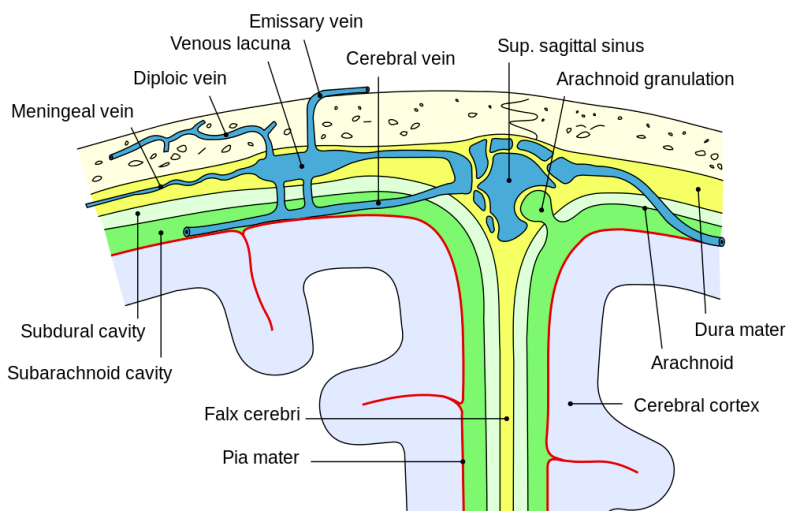
Preview Image: Blood Supply to the Brain