Having a way to produce electricity out of the things around you is undoubtedly a great skill. Isn’t it amazing to know that there are different methods that can be used to give power to simple things that do not require high voltage? Apart from the lemon and potato battery experiments, hhere is another – the Cola Battery!
What you will need:
- Unopened Cola
- Can Opener
- Dime (Copper Electrode)
- ¼ cup Salt
- Extra Mug or Glass
- Dry towel
- Steel wool
- Lead wires with alligator clips on each end
- Multimeter
Making a Cola Battery:
- Open your cola. Pour the contents into a mug or glass. Using a can opener, remove the top of the can.
- Dry your cola can with a towel. Eliminate the protective plastic coating using a steel wool. This will allow electricity to flow uninterrupted.
- Pour the cola back into the can.
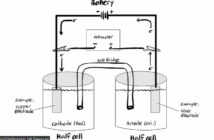
- Using an alligator clip, attach your copper electrode (dime) on one end and attach the other end to the can. Dip the dime into the liquid and turn the multimeter on to see if there is voltage.
- For additional voltage, add salt; or, you can make a series with 3 to 6 cola batteries.
How it Works:
Cola’s acidity level is very close to most batteries’ electrolyte solution. Take note that a battery has a pH of 1 while water has pH of 7. The higher the acidity level, the higher the voltage is, thus, the cola battery is more effective when it’s newly opened. Adding salt will increase its acidity, resulting in higher voltage.
Here is a video of the experiment:
Video Credit: GoRepairs
Related articles: