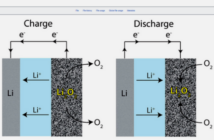
Hybrid and electric vehicles are both placed on the pedestal because of their noteworthy performance in the industry these days, and for providing a solution to the increasing pollution conventional vehicles emit.
Batteries play a huge role in hybrid and electric vehicles. In hybrid vehicles, the battery-powered motor serves as a support to its gasoline engine, adding a boost to its performance. For electric vehicles, it is the main source of energy. Without it, these types of vehicles will not work.
Batteries in hybrid and electric vehicles vary according to model and manufacturer. Most commonly types are Lithium-Ion, Nickel-Metal Hydride Battery (NiMH) and Lead-Acid. Let us discuss them one by one, so that you may be able to assess how these work and which ones are better.
Battery Types
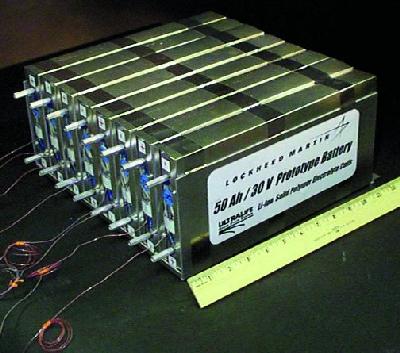
The Lithium-Ion battery is widely used in mobile phones and laptops because it is lightweight and keeps its charge even if it is not used. It also requires low maintenance. Although it performs well, Li-ion batteries are not forever. It needs to be replaced every 2 to 3 years so as to maintain the utmost performance of your hybrid and electric vehicle. Primarily for the purposes of powering electric cars, the Li-ion polymer and the Li-Air batteries have been invented. Li-ion battery research is on-going.
Used in vehicles such as:
- Nissan Leaf
- Mitsubishi i-MiEV
- Honda Fit
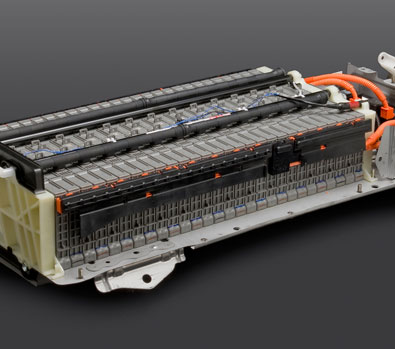
Nickel-Metal Hydride Battery (NiMH) is another type of a rechargeable battery used in hybrid and electric vehicles. It operates at 1.2V per cell; therefore, several cells must be installed in the vehicle so as to work efficiently. However, NiMH batteries self-discharge. It loses about 4% of charge a day when stored.
Used in vehicles such as:
- Honda Insight
- Toyota Prius
- Ford Escape Hybrid
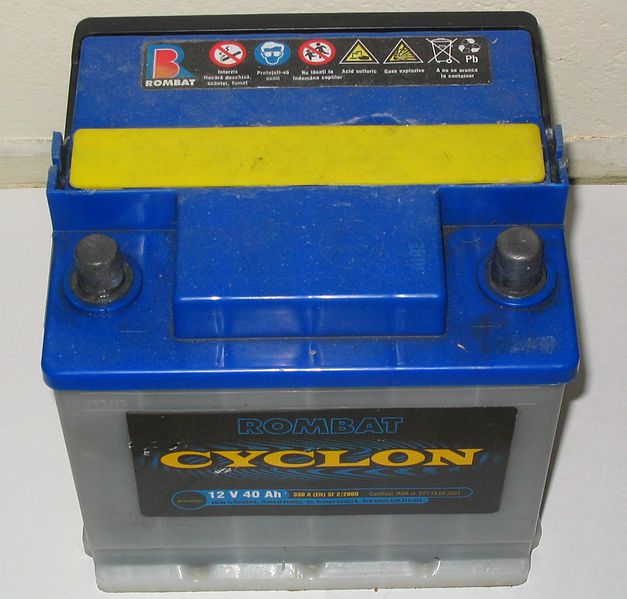
Lead-Acid is the cheapest type of battery to integrate in an electrical and hybrid vehicle. It has around 500 charge and discharge cycles, thus, requiring you to change it quite quickly. Battery operation and charging could lead to emission of hydrogen, oxygen and sulfur. If not vented properly, these elements may leak into the cabin.
Used in vehicles such as:
- Toyota Rav4 EV
- General Motors EV1
Manufacturers try to come up with a better type of battery and eliminate disadvantages. Once successful, these batteries can greatly improve the performance of hybrid and electric vehicles, surpassing the performance of conventional gasoline vehicles.
Related articles: