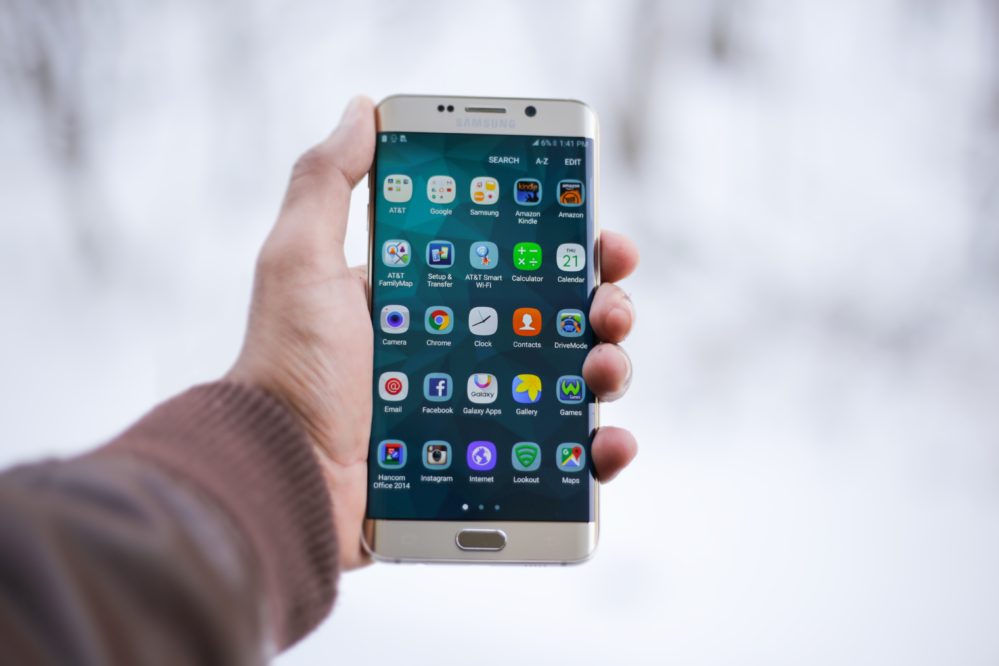
If there is one thing smart-phone users can agree on, it’s that speed is crucial to user experience. It’s the driving force behind all mobile developers, which is why the potential of a 5G network is not surprising. It’s promising to be faster and much more responsive than anything we’ve ever experienced. And that, is not all.
5G might potentially be applied to self-driving vehicles. So far though, it’s just been talk. At the 2017 Mobile World Congress trade show, a representative for Verizon talked about developing 5G with Samsung. At this year’s trade show, there were no 5G phones.
But it doesn’t mean that it’s a thing of the future, per se. In fact, 5G is progressing from concept board to reality. Verizon and AT&T have plans to launch limited mobile 5G service this year. T-Mobile and Sprint will launch early next year. Additionally, handset makers, and chipmakers are working on getting their devices ready for 2019.
What is 5G?

It’s the name of a variety of different communication technologies. It doesn’t overlap with 4G standards like LTE, and can’t be delivered to phones and other technologies by upgrades and updates.
Different network operators define 5G differently. While current mobile networks operate in 0.5 to 3 GHz range, 5G networks aim to use frequencies over 3GHz.
Implications of the 5G network:
It could substantially drop the cost of certain devices by moving more processing to the cloud. This would reduce the amount of power required to put in various devices.
Still, it won’t be a smooth transition. Anything this ambitious, particularly when it comes to the tech world, comes with its own potential issues.
The first 5G phones might be reminiscent of what happened when 4G was first implemented. Remember the HTC Thunderbolts?
It’s going to be a battle of the phone companies. Each will make more grand promises than the next, but only some will come out with superior adapters and finishes.
Brief history of the mobile “standards”:
The first mobile standard was introduced in 1982. Suffice to say that we’ve come a long way. 3G standards made their way in 2001. Then the first 4G LTE phone (Samsung Craft SCH-r900) launched in 2010.
Who will benefit most from 5G?
People who work remotely. The major benefit of 5G will be the ability to use wireless networks to replace traditional wireline connections by increasing bandwidth. For those who work off-site, it allows them to obtain affordable communication.
There are also less technical requirements for 5G operations, specifically for workers who go to various locations. It allows for connection to a 5G router via Wi-Fi. 5G technologies can also be used to supplant the traditional satellite trucks that are used to transmit audio and video for newsroom operations.
We wonder what the future holds and we cannot wait to meet the first 5G phone if it ever decided to show itself.