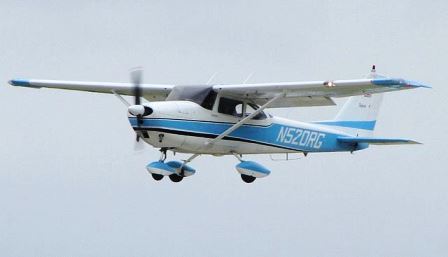
Lead-acid batteries have been starting the Cessna 172 Skyhawk light aircraft since 1956. The manufacturer has remained loyal to lead-acid technology throughout that time. However, they have applied minor tweaks to the planes themselves in the course of building 43,000 of them. The Cessna and the batteries have simplicity, affordability, and ruggedness in common. May lead batteries start the world’s favorite aircraft for years to come!
The Amazing Airplanes Powered by Lead Batteries
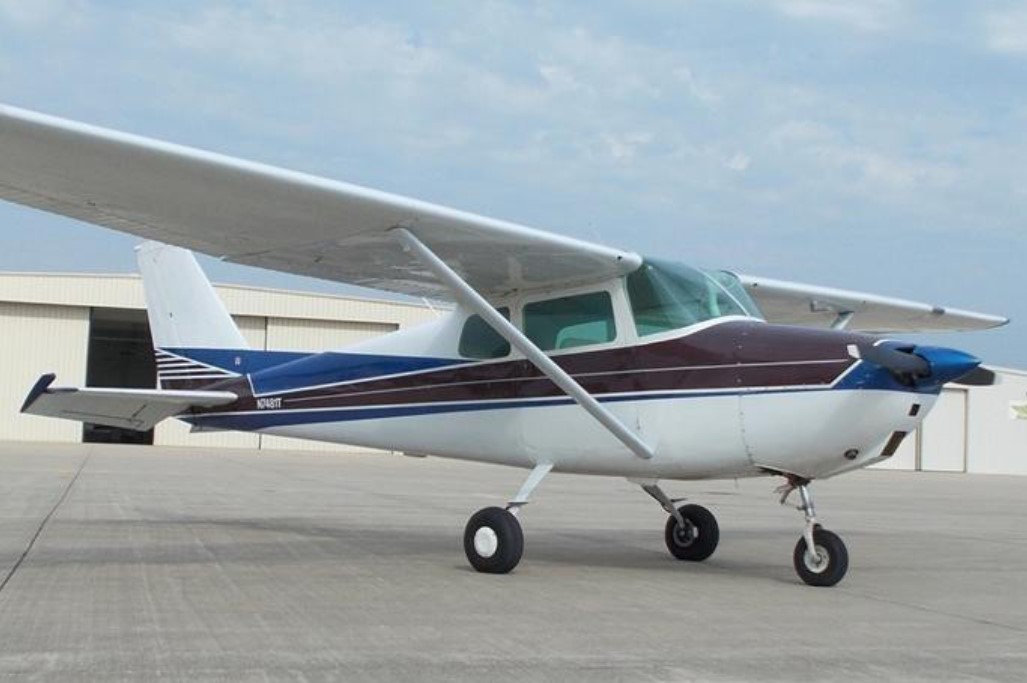
More pilots got their licenses on Cessna 172’s than any other plane. Flight instructors love them because over-cockpit wings allow unrivaled views of the ground beneath. They sometimes need the view to know when to take over during a faltering, first wannabe pilot landing.
The aircraft that sealed lead-acid batteries’ start time after time, has performance better than a sports Sedan. Normal operating speed is 140 mph and it can travel 800 miles on a full tank. The Cessna is so easy to fly the manufacturer’s marketing department dubbed it the ‘land-o-matic’. That’s because like lead starter batteries it has surpasses minimum requirements.
How a Cessna 172 Made the World’s Longest Flight
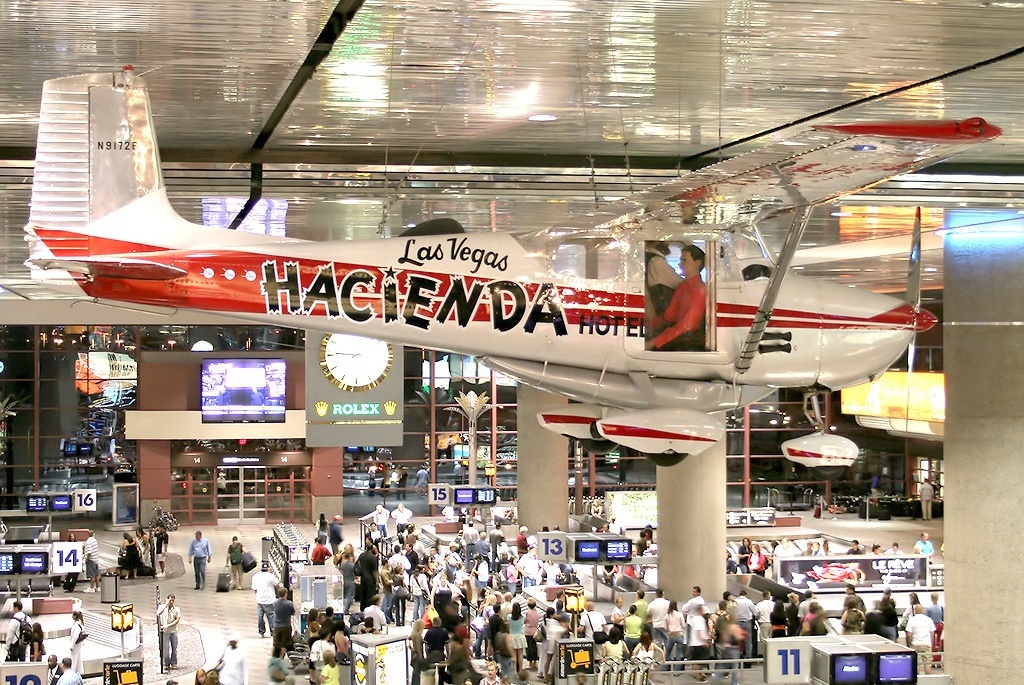
Back in 1958, two pilots decided to break the world endurance record of 47 days for a continuous flight. They shared shifts while one slept, and winched fuel and supplies up from the ground while flying in a circle.
The only modification was a small bathroom. When they wanted a shower, they did it on a wing strut when it rained. Just as well, there were no drones in those days and life was simpler.
The ground crew saw the lead acid battery start the Cessna 172 Skyhawk just once during the flight that lasted 64 days, 22 hours, 19 minutes and five seconds. However, the battery did the job extremely well as always, and gave the aircraft a superb flying start at McCarran Airport in Las Vegas. Robert Timm and John Cook only landed when they judged they had an unbeatable record, as history subsequently confirmed.
Verification of continuous flight was simple. Robert Timm and John Cook flew low over a speeding car after take-off, while the passenger applied white paint to the landing wheels with a roller. That special paint was still on the wheels when they finally landed. Only astronauts have flown longer, but that was beyond our atmosphere when computers were at the controls.
Related
The Correct Way to Charge Lead-Acid Batteries
How to Nurture a Lead-Acid Battery
Preview Image: Cessna 172D 1963