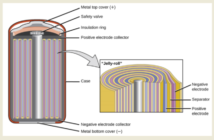
When a lead-acid battery leaves a production line, it is like a book without any words. True, the lead plates and electrodes are there, plus the diluted sulfuric acid around them. But, at this stage the battery is still inert, and without an ounce of power. In a way, it is waiting to be born. Once we provide the spark of life, we can nurture a lead-acid battery so it lasts longer.
Breathing Life into a New Lead-Acid Battery

Before the factory applies the initial charge, the lead plates are soft and almost like a sponge. As they receive the power, they come to life and absorb a little of the electrolyte. This how they obtain the electrons that shuffle between them like a game of electro chemical tennis. This first phase is very important, for it sets the upper limits of a battery’s capacity.
How to Nurture a Lead-Acid Battery when Breaking It In
We call this recycling process ‘breaking in.’ It’s a strange expression because a battery is hardly like a stubborn horse, but there it is. It is too late to start changing industry jargon. It takes between 20 and 50 charging / discharging recycles to bring a battery to maximum power. During this phase, we need to nurture a lead-acid battery by not working it too hard.

Think of this like training an athlete to run a mile in under four minutes. If we demanded this on the first day of their training, we would hardly be doing them a favor. Likewise, we should not strain a new lead-acid battery by fully discharging it during the first few weeks.
We hope to nurture a lead-acid battery from 85% capacity to 100% during this period. Should we fail to do so, it will not achieve its full potential. And we will never get the full benefit of our purchase, which would be a shame.
Related
How to Extend Your Battery Life
Battery Life Cycle vs. Cycle Life
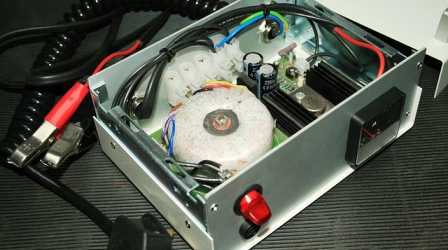
Preview Image: SLA Recycled Battery Charger