Batteries have brought practical solutions to so many basic human needs. The right to hear clearly is a fundamental one those with good hearing may not appreciate. We decided to write a post about hearing aid batteries today. We thank the Hearing Journal for the information. They are, after all the most respected publication in hearing health care.
Hearing Aid Batteries Have Not Kept Up to Date

Hearing aid batteries have not changed much since the advent of digital devices. Energy density and reliability are vital for some wearers, who become semi-deaf when the cells fade. This is critical since hearing aids consume energy continuously while the devices are on. Yet zinc-air batteries are still the commonest type around.
Hearing aids consume energy according to battery size, and the wearer’s degree of hearing loss. Moreover, temperature, humidity and altitude all affect how long hearing aid batteries last. Dry storage and hearing aid dehumidifiers help protect hearing aids and their batteries. Linking to an iPhone, FM or Bluetooth network runs them down faster.
Alternatives to Disposable Batteries in Hearing Aids
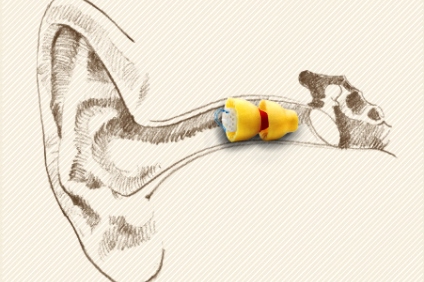
Solar cells present an affordable solution, especially those the World Health Organization approves for use in third world countries. They may last for several years before replacing. However if the sun does not shine every day the wearer loses the benefit.
Most hearing-impaired people in first world countries permanently on the grid, prefer rechargeable hearing aid batteries. Lithium-ion and silver-zinc ones are more efficient, and may last up to 24 hours. Their lifespan is usually around a year after which they need replacing.
However, they may still fail in an in-ear device from sweat when exercising. As we said earlier citing the Hearing Journal, there is still a way to go before we have hearing aid batteries that touch all the spots.
Related
Solar Suitcases Deliver Babies in Nepal
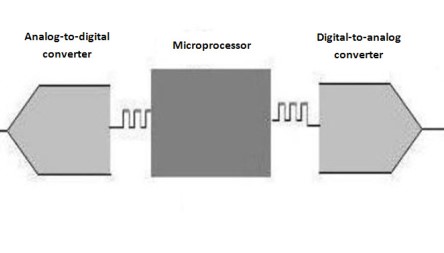
Preview Image: How Digital Hearing Aids Work