Wind power is so freely available it often produces surplus electricity after storage batteries hold full charge. Nothing should go to waste in the renewables industry. New technology is available to convert the overrun of electricity to a gas fuel for productive purposes. Engineers call this product ‘wind gas’. There are three ways to convert surplus wind power to gas this way, and we detail them here.
Three Ways to Convert Surplus Wind Power to Gas
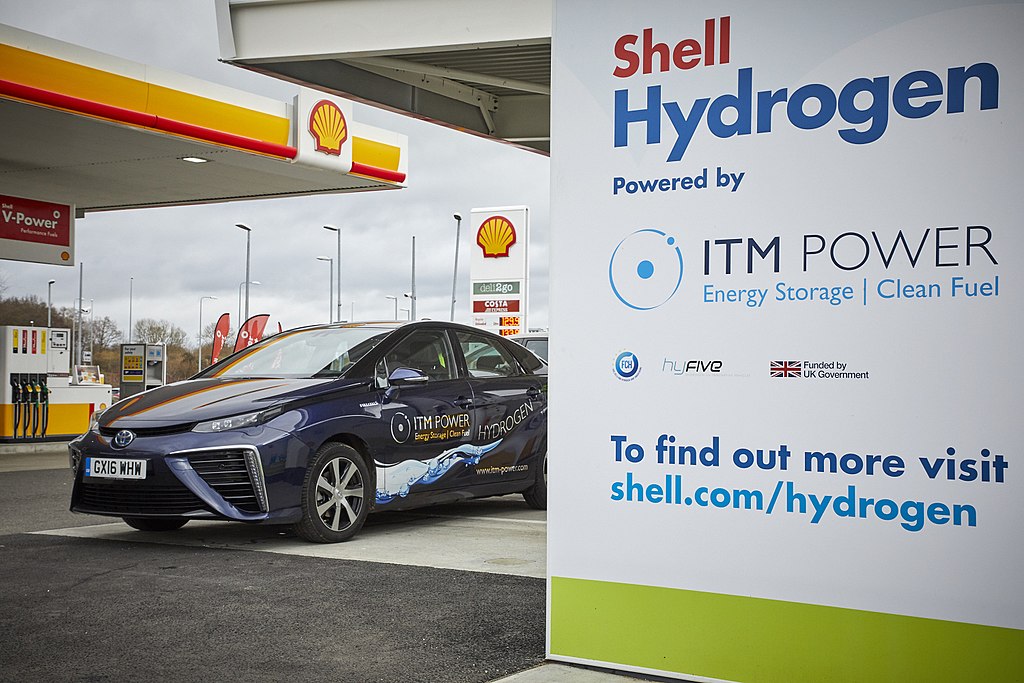
All three methods use the same base technology. This involves using the surplus wind electricity to split water into hydrogen and oxygen through a method called electrolysis.
Very briefly, electrolysis causes chemical decomposition by passing an electric current through a liquid or solution containing ions. Thereafter, three possibilities present to convert surplus wind power to productive purposes.
# In the first instance, engineers add the hydrogen to the natural gas grid, or use it in the transport industry
# In the second, they mix it with carbon dioxide to form methane, for adding to the grid or synthesizing to LPG
# Finally, engineers may use the hydrogen in a wood-gas generator, or a biogas plant to make electricity when needed
Applications of Wind Gas: Power to Gas Systems

While previously wind power was an adjunct to fossil electricity generation, the wheel has turned.
The stored hydrogen achieved after converting surplus wind power to gas may be stored for anytime load balancing. This may be when the wind is blowing gently, or thick clouds have obscured the sun.
While the initial round-trip efficiency was a scant 50%, the technology is improving and we now have 70% in our sights. However, the real miracle is we have fuel for turbines, that seems infinitely renewable.
Related
Splitting Water Using Electrolysis
Simple Electrolysis School Experiment
Preview Image: Wind Turbines in Denmark