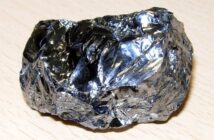
The minerals that comprise our favorite gadgets and facilitate the global tech industry are also the source of immense exploitation and conflict in the Democratic Republic of Congo. Rich minerals in the mines of Congo have perpetually justified abusive practice, but the country has now characterized cobalt and coltan as strategic resources in efforts to deter this.
Big Companies Ignoring Big Problems:
Mineral wealth has long benefited the West, and while there has been longstanding awareness, Apple, Microsoft and countless companies are still accepting the resources mined through the use of child labour. Companies have claimed that they aren’t the ones who are in charge of working conditions, but their complacence and knowledge is grounds enough to evoke outrage. It’s a never ending circle of finger pointing. Companies receive the sourcing from battery manufacturers, and often do not inquire where and how their products originate.
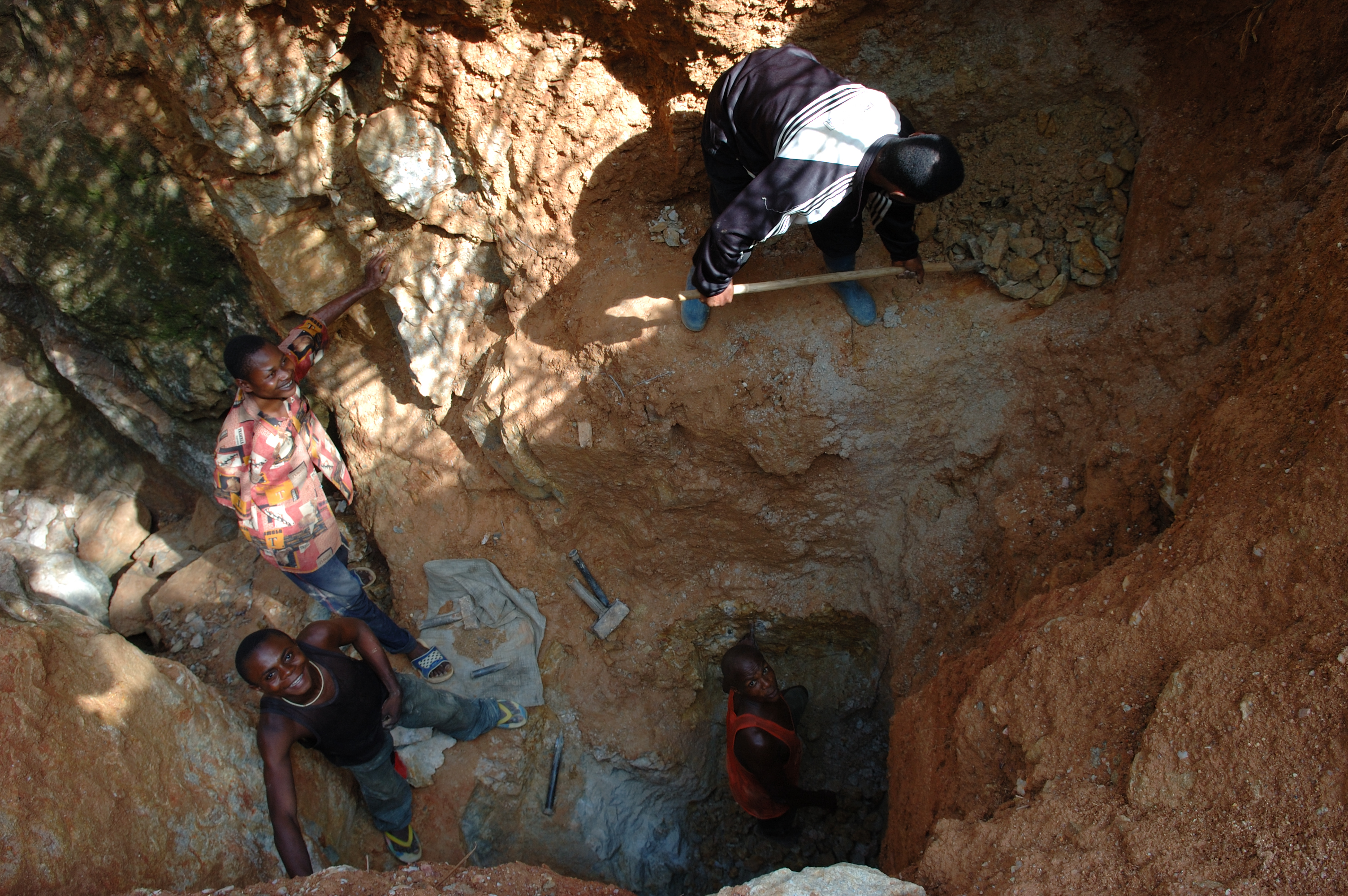
For companies to claim that they are unaware of the human rights violations linked with mineral extraction is downright comical. Electronic firms make outward claims to end the use of conflict minerals. Some of them are engaged in their own efforts to tighten the reigns on their supply chains.
Amnesty International previously found that children as young as seven, and adults, are paid a dollar a day to work in hazardous mines. They work in extreme heat, carrying large loads on their backs, and don’t wear protective shoes or clothing. Most of these workers experience significant health conditions as a result.

The facts:
- Over half the world’s supply of cobalt comes from the Democratic Republic of Congo.
- 20 per cent of cobalt comes from artisanal mines in the southern part of the country.
- Global cobalt market remains largely unregulated.
Benefits of being a “strategic” mineral:
Declaring cobalt and coltan as strategic minerals will earn Congo higher royalties. This will provide them with 10 per cent royalties, compared to 2 per cent previously. The Congolese government believes this will have immense economic, social and industrial implications for the country.
This also ensures that the country will make enough money before these minerals deplete entirely. With increased demand on minerals, the country may continue to increase royalties and capitalize off their scarcity. The price of cobalt has more than doubled since 2017.
And it’s not only these minerals that are characterized as strategic. Other minerals include lithium and germanium. They are also thinking of adding copper to the list.

Potential losses:
Mining companies say that this new code will deter foreign investment. Even though royalties do not reflect what the country deserves, it still puts a damper on tech giant wallets. Companies have profited of off local Congolese working simply to supply their pockets, and might look elsewhere for cheaper alternatives.
Congo is a country that is heavily dependent on their resources. Low commodity prices caused inflation to swell in the country to nearly 50 per cent in 2017. There is far too much to lose by allowing these companies to continue exploiting raw materials for their own gain.