

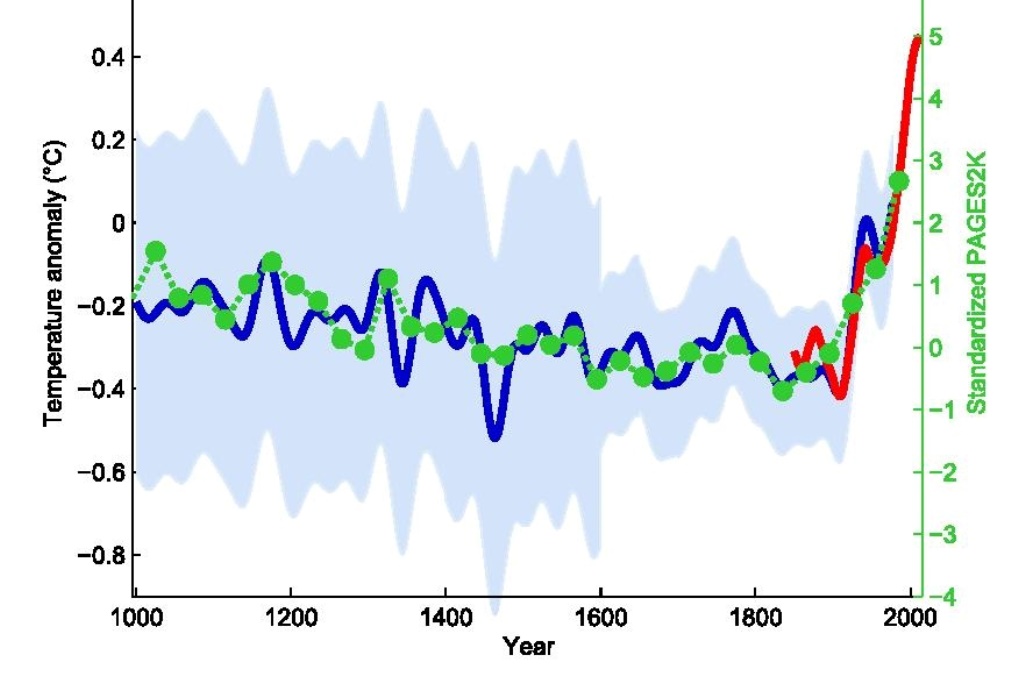
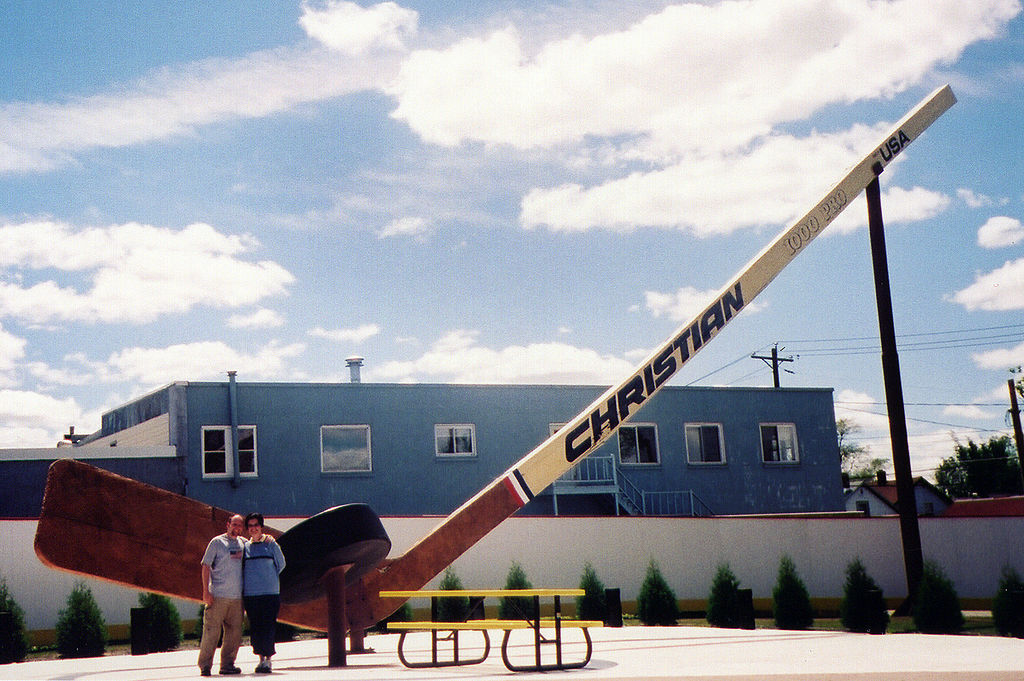
The hockey stick effect is a common distraction at business meetings, where a team predicts a downward trend will spectacularly correct. Politicians use the technique to make empty election promises that they excuse away later. In 1999, this effect was used as scientists Mann, Bradley, and Hughes proposed a climate scenario that dramatically deteriorated instead of sky-rocketed.
A Summary of the Mann, Bradley, and Hughes Hockey Stick Effect
The scientists’ research pointed to “a slow long-term cooling trend changing into relatively rapid warming in the 20th century.”
This hockey stick effect caused a furor of debate when reviewed at the third session of the IPCC.
The role of fossil fuel in global warming was a well-established fact by then. Yet the coal industry fought back hard against the green ‘we told you so’ brigade. Much of their counterarguments revolved around Hubert Lamb’s conclusions in the 1960’s.
What Hubert Lamb Had to Say About Global Temperature Change
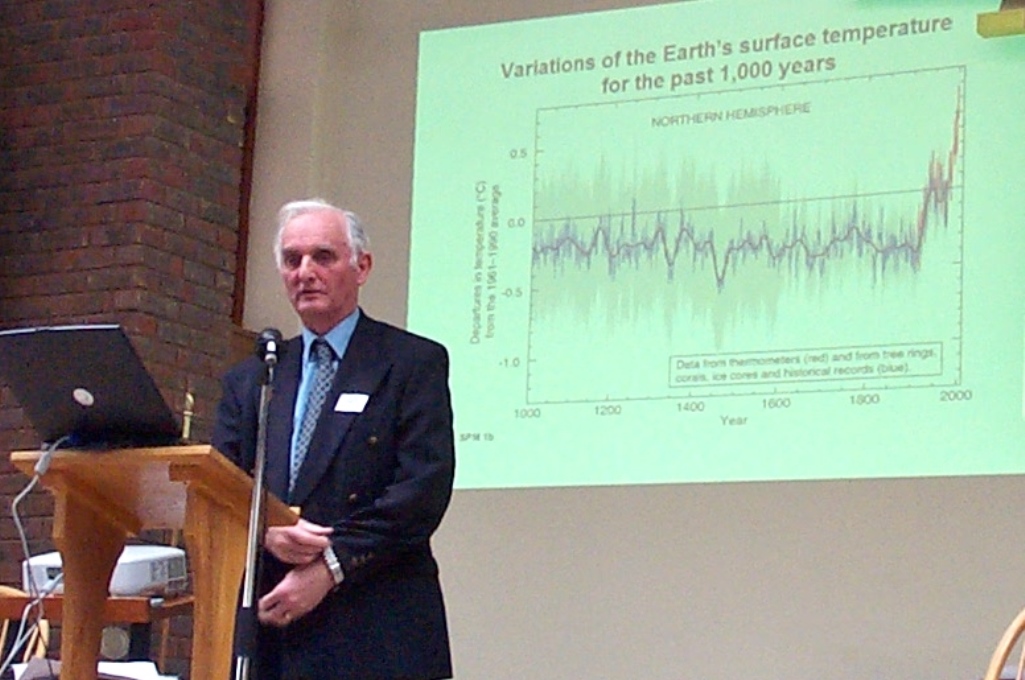
Hubert Lamb’s research became public knowledge more than three decades before the Mann, Bradley, and Hughes hockey stick effect. He argued that recent climate change was a natural phenomenon.
Hubert Lamb’s based his argument on a warmer period from AD 1000 to 1200, according to evidence he found in rock strata. This then stabilized, but reversed during 1500 to 1700 when global temperature was coldest since the last ice age. While he considered that atmospheric carbon dioxide was a contributory factor, he thought its effect was “probably much smaller than the estimates which have commonly been accepted”.
This set the scene for the current conflict between climate change nay-sayers, and those who believe we must do everything we can to reverse current global warming. No matter what is causing the hockey stick effect, future generations will judge us by the way we respond to the evidence piling up around us.
Related
Climate Change Part 20: The IPCC Second Assessment
Climate Change Part 21: Kyoto a Tide Half Taken
Preview Image: The Hockey Stick Effect


