“There is a tide in the affairs of men,” William Shakespeare wrote in 1599. “Which taken at the flood, leads on to fortune. Omitted, all the voyage of their life is bound in shallows and in miseries. On such a full sea are we now afloat.” That must have summed the mood up in Kyoto in 1997, when nations sought to agree to targets to reduce their greenhouse emissions.
The Historic Significance of Kyoto on the World Stage
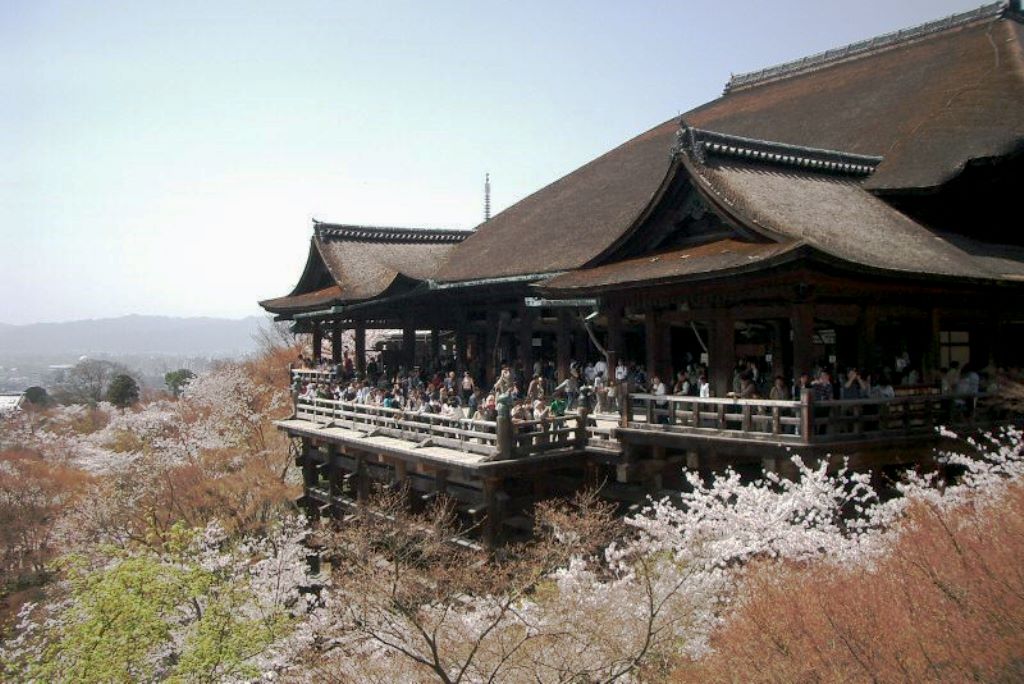
Kyoto was the imperial capital of Japan for over a thousand years. President Truman considered unleashing an atom bomb on it in 1945.
Because, as an intellectual center of Japan it had a population large enough to possibly persuade the emperor to surrender.
After the Secretary of State prevailed, the president replaced in with Nagasaki on the list. The Kyoto Protocol signed there 52 years later was genuine attempt to bridge over international tensions on behalf of the earth. In headline terms, it wanted the signatories to reduce atmospheric greenhouse gas concentrations. The target was “a level that would prevent dangerous anthropogenic (human) interference with the climate system.”
The Deep Differences That Are Holding Kyoto Back
The Protocol built upon the U.N. Framework Convention on Climate Change most member states had agreed. However, there was disagreement on what constituted “dangerous anthropogenic interference”, and value judgements varied widely.

Currently, only 37 countries have binding targets. These are Australia, the European Union (and its 28 member states), Belarus, Iceland, Kazakhstan, Liechtenstein, Norway, Switzerland and Ukraine. Belarus, Kazakhstan and Ukraine may withdraw.
Japan, New Zealand, and Russia have not taken on new targets in the second commitment period. Canada withdrew in 2012, while the United States has never ratified the agreement. There have been several attempts since then to find a way through the climate change impasse. To date, Kyoto thus turned out to be a tide half taken, with the strongest emitters resting on their oars.
Related
Climate Change Part 15: Ocean Conveyor Belt
Climate Change Part 19: The 1992 Earth Summit
Preview Image: Taking the Tide