

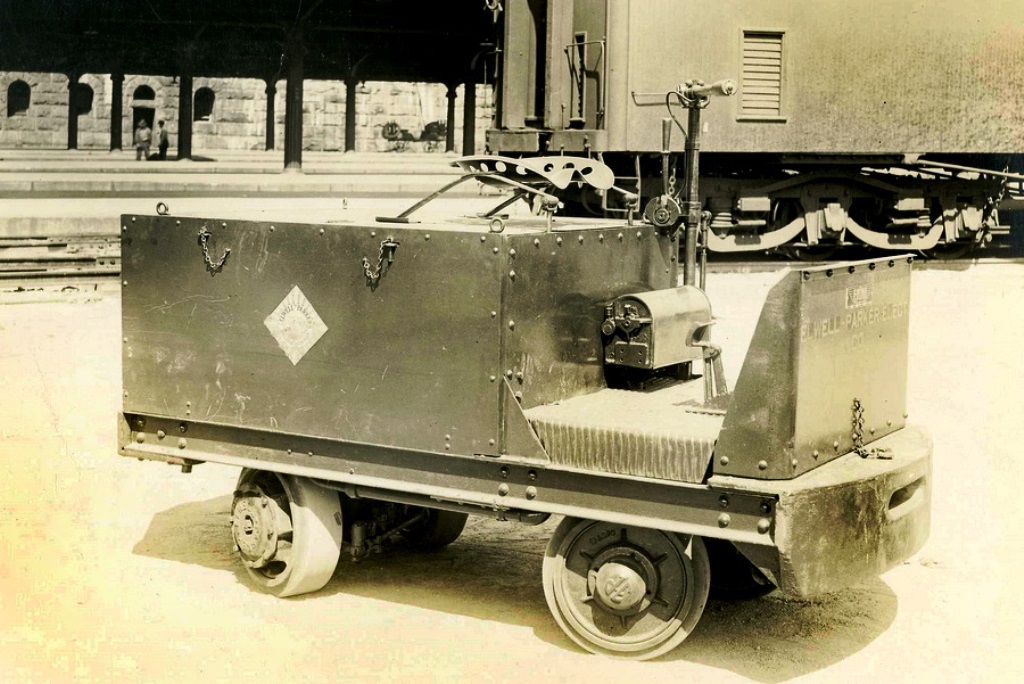
William Ayrton & John Perry’s electric tricycle was the highlight for electric vehicles in 1891. The following year, financier Paul Bedford Elwell and engineer Thomas Parker met in Wolverhampton, England then a hub for new technology. Their previous achievements included a pioneering accumulator. However, the Elwell and Parker pioneers had more up their sleeves.
The Beginnings of the Elwell and Parker Relationship
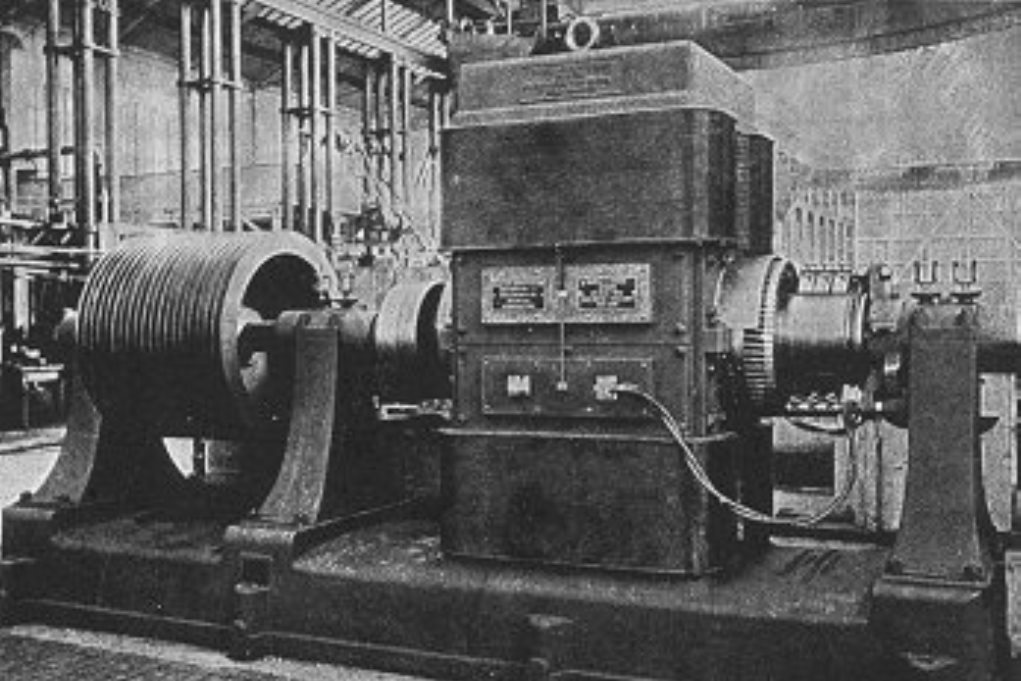
Elwell and Parker were visionaries glimpsing the future of batteries before most others. They patented improvements on Camille Faure’s design that coincided with the father of modern lead-acid battery’s own ideas. Thus, we have two historic patents for essentially the same thing.
The Elwell-Parker Electric Company has continued building electric motors and batteries to this day. It is justifiably proud to say it ‘created some of the world’s first industrial batteries and dynamos’ 126 years ago’.
However, the two men were not content with this progress. They were looking for new applications, and in those early days, the field was wide open. By 1885, Thomas Parker’s battery trams were ferrying delighted passengers around Birmingham, and Blackpool, England. He was a free-thinking engineer, who adapted to the Red Flag Law in Britain and prospered.
The Light Locomotive Red Flag Law: What’s That?
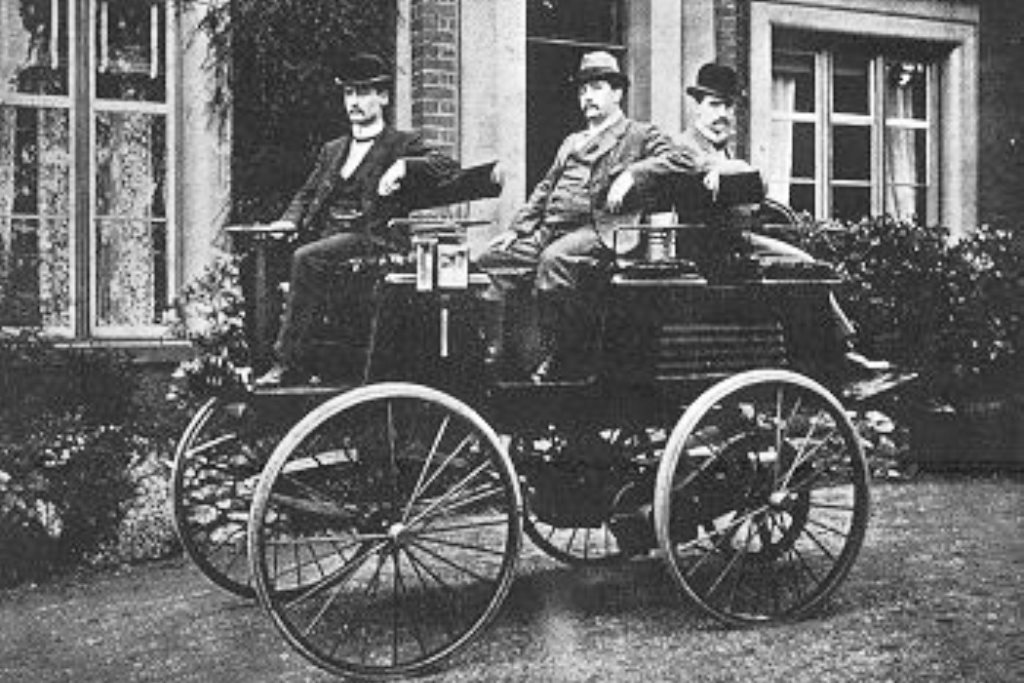
Elwell and Parker went on to found a company in Cleveland, Ohio in 1893, producing accessories for early electric cars. Indeed, they successfully launched their own electric vehicles that sold from 1906 to 1908.
However, things were different in England in those days, where internal combustion vehicles dominated. Horses bolted before those noisy, smelly, smoking monsters, overturning carriages and harming passengers. Then the Red Flag Act imposed a speed limit of 4 mph in open country and 2 mph in town.
Moreover, a person had to walk at least sixty yards ahead carrying a red flag to alert pedestrians and carriages. This warning of ‘impending danger’ was in force until 1896, by which time automotive vehicles were a fairly common sight.
Related
Camille Faure Creates Lead-Acid Batteries in 1881
The Ayrton and Perry Electric Tricycle of 1881
Preview Image: Elwell-Parker Electric Truck


