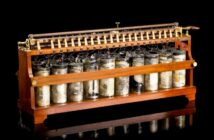
Most attempts at electric vehicles relied on Gaston Planté’s primitive lead acid cells before 1881. The batteries that start our gasoline cars still follow the same principles, although they are safer and smaller now. You see, Planté’s original versions of what became modern starter batteries later, were huge and difficult to move around. However, they could generate large currents over extended periods. Then along came Camille Faure with a smaller, more elegant version.
The Extraordinary Value Camille Faure Added to Batteries
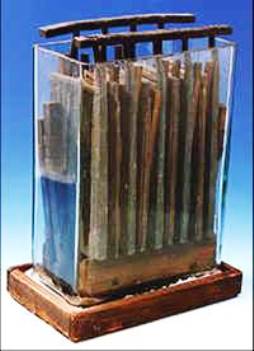
Camille Alphonse Faure’s lead-acid batteries were smaller and lighter. Hence, a person could pick one up, and use several to power a surrey or a cart electrically.
In this way, Camille Faure advanced the frontiers of battery science farther than John Goodenough did. Because he established the basics, on which that great man built.
Faure patented a method whereby he coated lead plates with a paste of lead oxides, sulfuric acid, and water in 1881. Then he cured this by gently warming it in a humid atmosphere. This in turn caused the paste to become a mix of lead sulfates that adhered firmly to the lead plates.
How Camille Faure’s Battery Worked
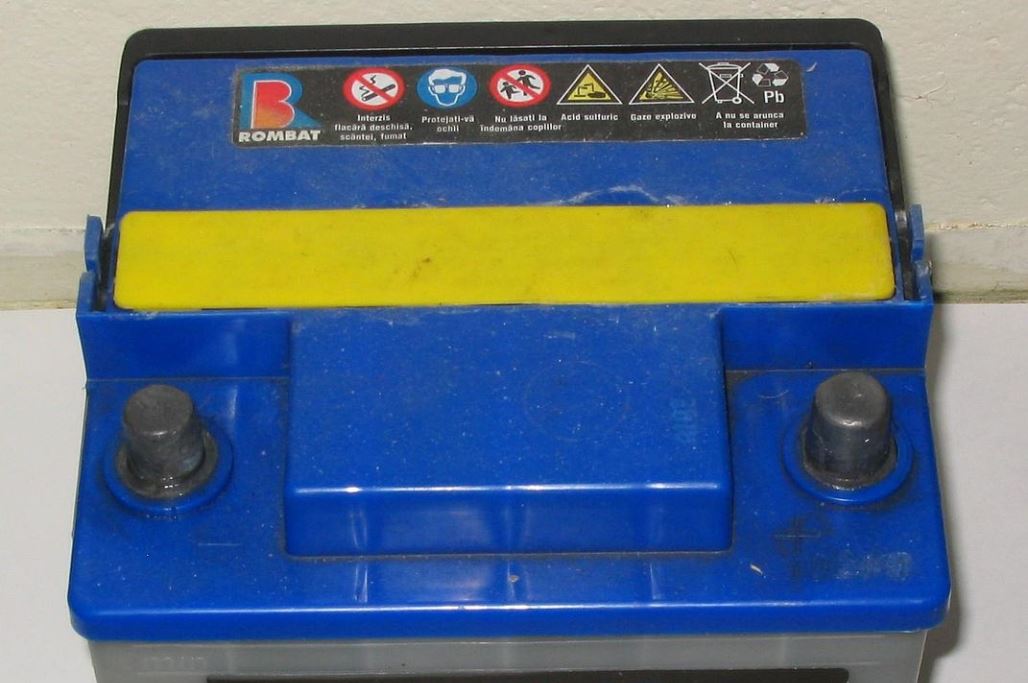
When Faure applied an electric charge, the cured paste became electrochemically active material. This yielded a far denser battery than Gaston Planté’s primitive ones. His significant breakthrough made commercial manufacture practical. Indeed his batteries powered electric cars for many years.
So what made Camille Faure tick? Well for starters, he was a chemist at a factory making explosives from 1874 to 1880. So he understood the basics at an academic level and that clearly helped. This elevated the science of batteries to a new level. The world was on a technical march, and batteries had finally joined the new order. Roll on the next generation of electric cars.
Related
Gaston Planté’s Lead-Acid Cell Battery
Camille Alphonse Faure (1840 – 1898)
Preview Image: Thomas Parker Electric Car 1895