

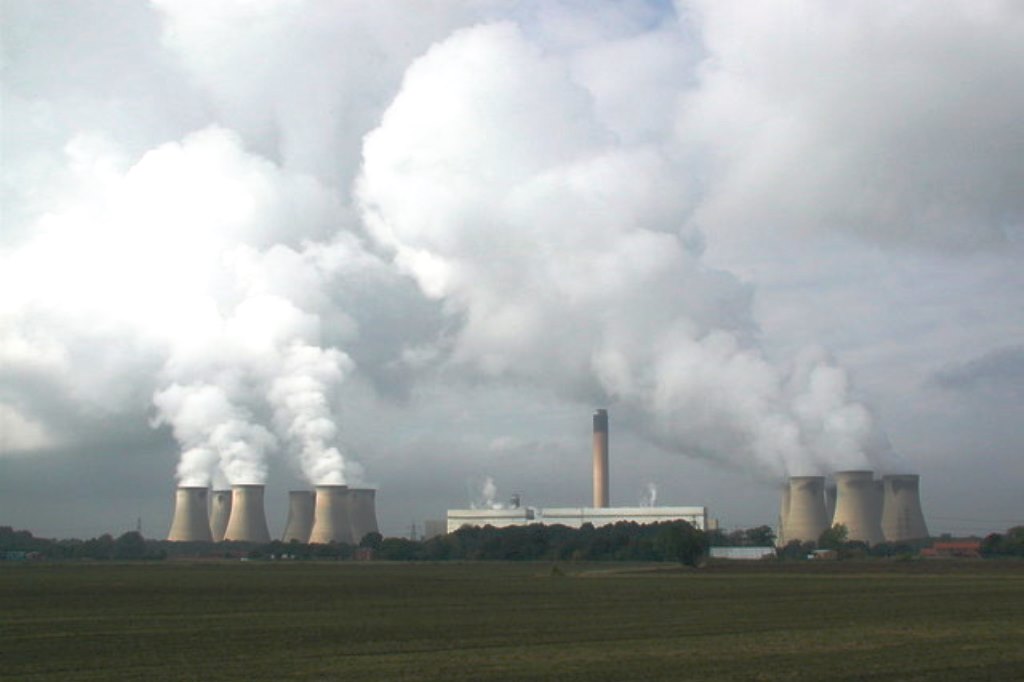
Drax Power Station in North Yorkshire, England made a proud statement when it first fired up in 1973. Its 660 MW turbo-generator sets broke new records for efficiency and power. When the final coal-burning units came on line in 1986 it was – and still is – the United Kingdom’s largest power plant ever. It is also the nation’s largest carbon dioxide emitter.
A New Life Opportunity for Drax Power Station

The United Kingdom government is determined to close down all coal generators by 2025. However, the cost of replacing Drax Power Station would be hugely expensive. The question about what to do with the old technology also arises.
A thermal power station super heats water by passing it through jackets surrounded by fire. Therefore, they reasoned “why not burn something else instead.” In fact, as far back as 2004, Drax Power Station successfully tested co-firing with biomass obtained from 14,100 tons of willow trees. The station currently fires up four of six units with energy from wood pellets, sunflower pellets, olive, peanut shell husk and rape meal.
But How Renewable Really is Biomass?
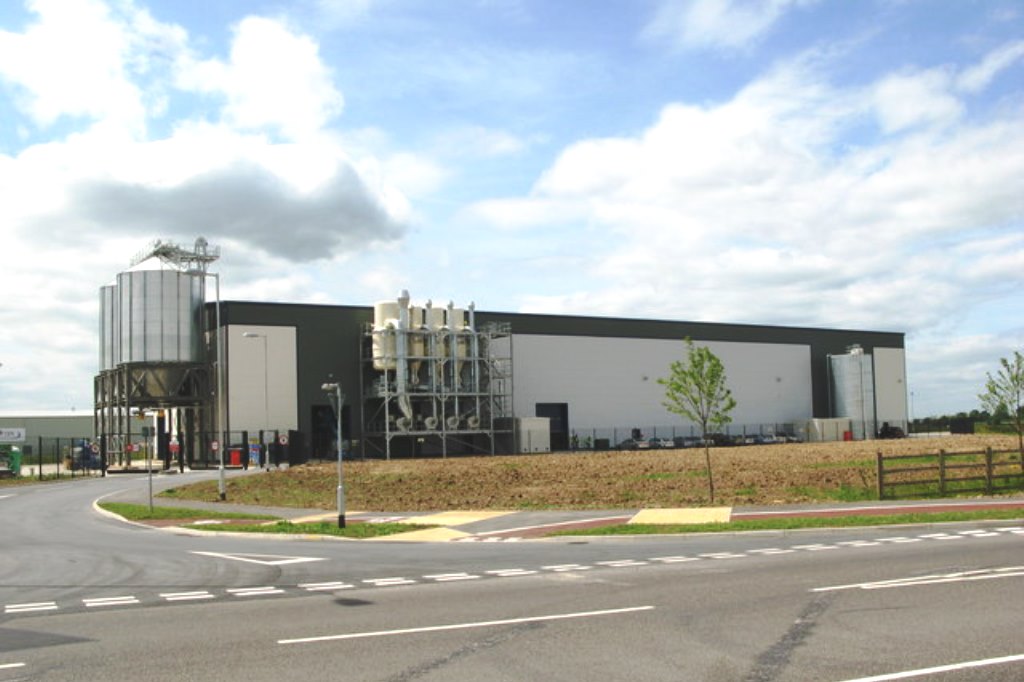
Engineers are beginning to question whether burning biomass really is greener. Drax Power Station is consuming 16 trainloads of wood pellets, mainly imported every day. How sustainable is this really?
Burning new wood also releases carbon because trees are natural storage sinks for carbon dioxide. However, the emissions are 80% less than from burning fossil coal. That being said, new forests take decades to grow to full maturity. Should we be cutting them down in swathes, when we need every living tree possible to help manage climate?
We would be curious to know the overall carbon footprint of the entire energy cycle. How much opportunity is lost from chopping down trees compared to the benefits of burning their biomass? What are the carbon costs of processing the wood, and transporting it all the way to Drax?
Related
Look What We Are Doing to Trees, Our Friends
Thermal and Thermo Chemical Conversion of Biomass into Energy
Preview Image: Drax Power Station in North Yorkshire, England


