We seldom write about batteries in times of conflict, because there is no absolute winner in any war. However, we came across an interesting report on Fitch Ratings that convinced us to make an exception. This article concerns the impact on batteries from the Iran conflict, and who will be the energy winner.
Big Battery Makers Will Score From the Conflict
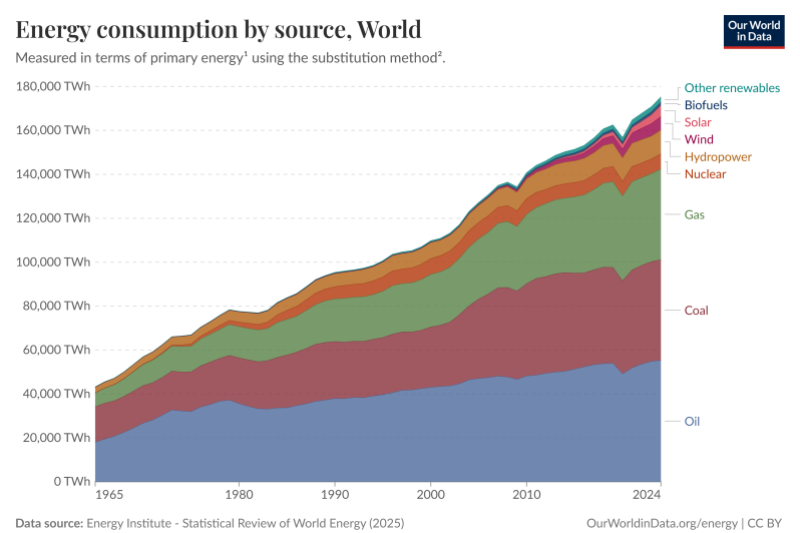
The big battery makers in Asia will benefit from the threat of prolonged oil and natural gas shortages. There will be a move towards renewables, and battery energy storage in affected economies.
Even if the Iran conflict is resolved speedily, Fitch Ratings continues, the impact on batteries in times of conflict will linger. This is because utilities are more aware of the vulnerability of oil and gas, and need to beef up energy security.
We could therefore anticipate an increase in solar power plus battery storage, the Fitch commentary that we link to below continues. This trend could be even stronger in emerging markets, that still import some of their energy.
However, we should not forget that more renewable energy will increase global demand for scarce battery materials. This could put additional pressure on prices of scarce metals, such as lithium, cobalt, and nickel.
Impact On Other Channels of Battery Demand
Fitch Ratings also points out the knock-on effect to other major applications for fossil fuels. Once again, batteries could be a winner in times of conflict, through increased electrification of transport. Here we think particularly of trucks, marine shipping, and construction equipment.
Global battery demand was already increasing steadily before the conflict in the Middle East broke out, although electric vehicle sales were faltering in some quarters. Increasing demand in those other sectors could compensate for weak sales of electric vehicles.
More Information
From Flowers to Thermal Energy Storage
The Case for Renewable Energy Storage