

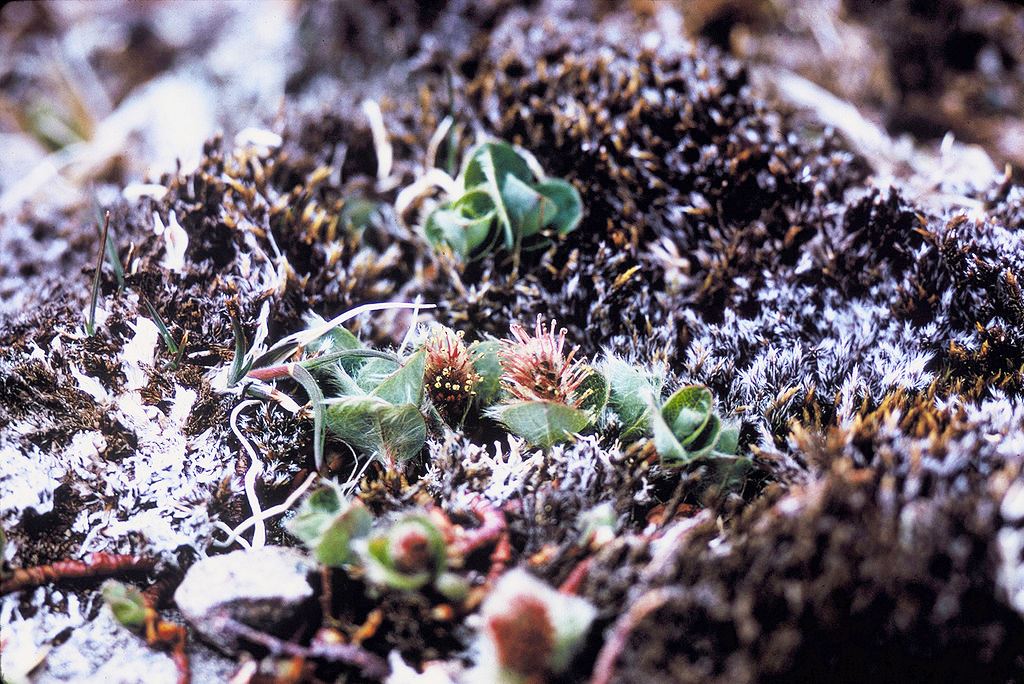
Arctic tundra plants don’t grow tall, because the summer is short and cold. Lately, scientists have been studying how this is changing with global warming. After over 60,000 observations they have announced plants are growing taller across the Arctic, and in the European Alps and the North American Rockies too.
Across the Arctic Circle, Plants Are Growing Taller
Approximately 180 researchers participated in the study across Alaska, Canada, Iceland, Scandinavia and Russia. Therefore, this makes their work remarkable in terms of scale. Co-study author Isla Myers-Smith is not fazed that the arctic flora will be only centimeters taller by the end of the century.
“That doesn’t seem like a very dramatic increase,” she says, in the way plants are growing taller. “But if you compare it to a forest getting twice as tall; that is a pretty dramatic change.” The Arctic regions have experienced one of the fastest warmings on earth over the past few decades. The changes the scientists observed include taller plant species like vernal sweet grass moving in from lowland Europe.
Arctic Tundra and Ecosystems Impacts
These Effects of Climate Change Could be Self-Fulfilling
The scientists don’t believe the phenomenon is limited to plants growing taller in the Rockies, Alps and Arctic Circle. First, the taller plants will trap more snow around them, insulating the ground below from deeper freezing. Then, the traditionally rock-hard soil will thaw out completely in summer, releasing carbon and adding to warming.
Furthermore, the taller plants will stand out above the snow, achieving a similar effect by presenting a darker surface. The fact these plants are growing taller will allow the ecosystem to trap more solar heat, adding to the increasing surface temperature. “Although there are still many uncertainties, taller tundra plants could fuel climate change, both in the Arctic and for the planet as a whole.”
This is according to Anne Bjorkman, Isla Myers-Smith’s co-lead investigator. We dare not allow these systems to escalate exponentially. We need global action now.
Related
Climate Change Part 35: Record Arctic Ice Shrink in 2012
Melting Ice in Antarctica Leading to Human Devastation
Preview Image: Salix Arctica (Creeping Arctic Willow)
Video Share Link: https://youtu.be/X-WXhsfMONQ


